The bevel disposable razor starter kit is aimed at people who want a clean, controlled shave without building a whole bathroom shelf of tools. As a makeup artist, I care about facial shaving for one practical reason: smooth skin changes how foundation sits. I have prepped more than 200 faces for weddings, shoots, and long event days, and a razor is only useful when it removes fine hair without leaving irritation that shows through makeup.
This is not a miracle tool, and it is not a substitute for treating active acne, eczema, or an open cut. Used correctly, however, a disposable razor can help remove peach fuzz and surface flakes so complexion products apply more evenly. The key is gentle pressure, a clean blade, and realistic expectations.
What comes in a starter kit
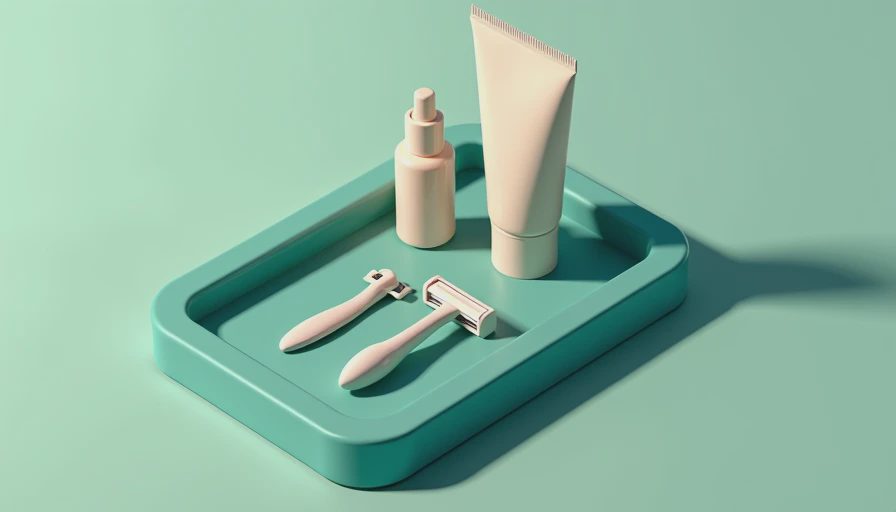
A starter kit generally makes the first purchase easier by combining the razor with basic preparation or aftercare items. Exact packaging can change, so read the current product listing before ordering. Look for the number of razors, whether a handle is included, and whether the set contains a shave cream, cleanser, or soothing product.
That detail matters because “disposable” does not always mean one-use-only in everyday grooming language. It means the blade or razor is designed to be replaced rather than maintained indefinitely. For facial use, I would rather replace a blade promptly than stretch its life to save a few dollars. A dull edge drags, and dragging creates the uneven pressure that causes redness.
The bevel disposable razor starter kit makes the most sense for a beginner who wants a contained routine. You do not need an expensive electric device, a complicated exfoliating system, or a drawer full of specialty oils. A mild cleanser, a clean towel, and a fragrance-free moisturizer are enough to start.
Before using any facial razor, inspect the blade. Do not use it if the packaging is damaged, the edge looks bent, or the razor has been stored loose in a damp shower. Facial tools belong in a dry, clean place, not beside a bar of soap collecting residue.
How I would use it before makeup
I recommend facial shaving at night, not 20 minutes before a wedding or important meeting. Wash your face with a gentle cleanser and pat it completely dry. Damp skin makes the razor less predictable, while dry skin gives you better control for this type of surface grooming.
Hold the skin lightly with one hand. With the other, keep the razor at a shallow angle and use short, feather-light strokes. Start at the cheek, where the skin is usually easier to manage, and work downward in small sections. Avoid pressing as if you are shaving a leg. The goal is to skim the surface, not scrape it.
Do not repeatedly pass over one patch because you are chasing microscopic smoothness. Two light passes are plenty. Skip the eyelids, nostrils, lips, raised moles, active breakouts, and any irritated area. If a spot feels hot or stings, stop there. Good makeup prep is controlled, not aggressive.
Afterward, rinse with cool water or wipe away loose hair with a clean, damp cloth. Apply a simple moisturizer without strong fragrance, retinoids, acids, or exfoliating beads. Wait until the next morning before using vitamin C, glycolic acid, salicylic acid, or a scrub. Layering several active products after shaving is how a calm face becomes a red face.
Does it help foundation look better?
Sometimes, yes, especially when fine facial hair catches cream products or creates a powdery texture around the sides of the face. I notice the biggest difference on areas where foundation tends to cling: the upper lip, jawline, and lower cheek. The improvement is not that makeup lasts forever. It is that brushes and sponges move more evenly across the surface.
For a wedding client, I would never shave a face for the first time on the morning of the event. Facial reactions can appear several hours later, and a bride needs predictable skin. If someone wants to try the bevel disposable razor starter kit, I suggest testing it at least one week before the occasion. Take a photo in daylight before and after applying the same foundation. That comparison tells you far more than a filtered close-up.
The same rule applies to powder. A smoother surface can make finely milled powder look less patchy, but too much powder will still emphasize dehydration. After shaving, use a thin layer of moisturizer, allow it to settle for 10 minutes, then apply primer only where you need it. More product is not a correction for poor skin preparation.

Who should skip facial shaving
This routine is not appropriate over active cystic acne, cold sores, sunburn, fresh peels, or broken skin. Skip it if you have recently had waxing, threading, laser treatment, or a professional exfoliation treatment. Give your skin time to recover instead of stacking procedures because a tutorial promised instant smoothness.
People with very sensitive or reactive skin should patch-test their preparation products first. The razor itself is mechanical, but cleanser, shaving gel, fragrance, and aftercare can all contribute to irritation. If you frequently develop razor bumps, a dermatologist is a better resource than a beauty video.
Also, facial shaving does not make hair grow back thicker. The hair can feel blunt when it first returns because the tip has been cut, but the follicle has not changed. That temporary texture is different from increased growth.
My buying checklist
When comparing the bevel disposable razor starter kit with another facial razor, check five things. First, confirm that the blade is intended for facial grooming, not just body shaving. Second, look at replacement availability and the cost per razor. Third, confirm that the grip feels secure when your hands are wet or moisturized. Fourth, avoid sets that force you to buy a large supply before you know whether your skin likes the process. Fifth, make sure the instructions explain cleaning and disposal clearly.
A starter kit is a good value when it removes guesswork. It is not a good value when it includes products you will not use or encourages you to keep one blade for months. Store each razor dry, never share it, and discard it when it pulls, rusts, or becomes difficult to rinse clean.
Final verdict from my kit drawer
The bevel disposable razor starter kit is worth considering for someone who wants a simple facial-grooming routine and understands that technique matters more than branding. Use it at night, work in short strokes, avoid irritated skin, and keep the rest of your aftercare boring. That is the combination that gives makeup a cleaner surface without turning prep into a skin-care experiment.
For a first try, buy the smallest sensible option, test it on an ordinary week, and photograph the result in natural light. If your foundation applies more smoothly and your skin stays calm the next day, you have useful information. If you finish with burning, bumps, or persistent redness, put the razor away and choose a gentler approach. If I would not put it on a bride, I will not tell you to put it on your face.


No notes yet — write the first one.