
The best pink colour lipstick shades look intentional against your skin and natural lip color, not just pretty in the tube. Start with a muted rose for an everyday lip, a warm peach-pink for softness, or a deeper berry-pink for definition. If pale pinks tend to make your mouth disappear, go a shade deeper or add a slightly deeper liner around the edges.
For a place to start shopping, look at Maybelline Color Sensational lipsticks if you want a drugstore range with both understated and brighter pinks. MAC's lipstick range is useful for comparing distinct undertones at a makeup counter, while Charlotte Tilbury's lipstick range gives luxury shoppers a place to explore softer pink and rose tones. Shade availability and prices change, so compare the actual colors and finishes in store rather than choosing by the name alone. These are starting points for swatching, not claims about how long a particular lipstick wears.
Choose your pink by depth first
The quickest way to narrow down pink colour lipstick shades is to decide how much contrast you want between your lips and the rest of your face. Undertone matters, but depth is usually the first thing you notice in the mirror.
A pale pink gives a light, milky effect. It can look beautiful with a defined eye, but a very light, opaque formula can also emphasize dry patches or make the lip line look blurry. On deeper skin, try a deeper rose or brown-pink liner around the perimeter and blend it inward before adding the pale color to the center.
A medium rose or dusty pink is an easy everyday choice when you want your lips to look defined without becoming the whole makeup look. Look for a shade close to your natural lip depth, then adjust the warmth to taste. A satin or cream finish gives you room to sheer out the edges with a fingertip.
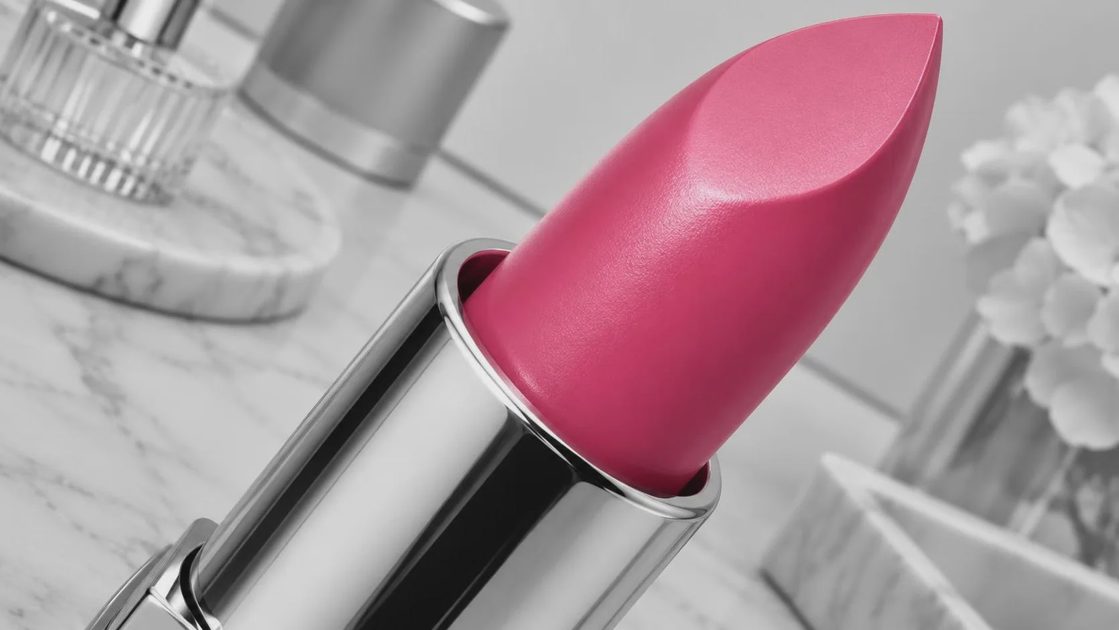
A deep rose, berry-pink, or fuchsia gives more contrast. Deep pink does not have to mean dramatic: press a small amount onto your lips and blend for a stain-like look. Build it straight from the bullet when you want a stronger, more even finish.
Understand warm, cool, and neutral pinks
When you're comparing pink colour lipstick shades, put two or three next to each other. Their undertones are much easier to see side by side than they are in isolation.
Warm pinks lean peach, coral, or sometimes brown. They give a soft, sun-warmed effect and pair especially well with peach blush or bronze eye makeup. If a peach-pink looks too orange on you, try a rose with less yellow rather than abandoning warm pink altogether.
Cool pinks lean blue, violet, or berry. Think petal pink, raspberry, and some fuchsias. They can give a crisp contrast next to a neutral eye. If a cool pink looks chalky, the problem may be its lightness or opacity rather than its undertone; try a deeper or more translucent version.
Neutral pinks sit between those extremes. Rose, mauve-rose, and pink-brown are useful descriptions, though brands don't use shade names consistently. A pink that looks neutral in the tube can turn warmer or cooler once your natural lip color shows through.
There's no rule that says warm skin needs warm lipstick or cool skin needs cool lipstick. Choose harmony when you want a quiet look; choose contrast when you want the lip to stand out. The mirror gets the final vote.
Swatch on your lips, not just your hand
A hand swatch is good for comparing pink colour lipstick shades, but it won't tell you exactly how they'll look on your mouth. Lips have their own pigment, and the upper and lower lip can be different depths. Sheer formulas let that color show through; opaque formulas cover more of it.
Start with clean, dry lips and apply a small amount to the center of your lower lip. Blend it outward, then check it in daylight as well as indoor light. For a fair comparison, remove the first shade before trying the next. A clean disposable applicator is the right move at a shared tester; ask the counter how it sanitizes products.
Check the color at the edges, too. If the center looks lovely but the perimeter looks gray or disconnected, try a liner close to your natural lip line. Blend it inward rather than drawing a hard ring. This is especially helpful for pale pinks on naturally pigmented lips.

Match the finish to your plans
Pink colour lipstick shades can look completely different depending on the formula. A sheer balm lets natural lip color do some of the work and is easy to reapply without a mirror. A cream or satin gives more visible color and a softer-looking surface, though you'll generally need a touch-up after eating.
Matte lipstick gives a more defined, opaque result. It also makes flakes more noticeable, so prep matters. Apply a thin layer of balm while you do the rest of your makeup, then blot off the excess before lipstick. Skip aggressive scrubbing: irritated lips are not a good base for anything.
For a longer-looking, more even application, fill in the lips lightly with liner before adding a thin layer of lipstick. Blot once with tissue, then add another thin layer. This gives the color a more even base without piling on product. It is not a promise that lipstick will survive every coffee, kiss, or dinner, so tuck the color and a small mirror into your bag.
Make the rest of your makeup work with it
If a pink lip feels separate from your face, you don't need a new lipstick. Tap the smallest amount of a compatible cream blush onto the cheeks, or choose a blush in the same general color family. The two don't need to match exactly; a dusty rose lip with a softer rose cheek looks more natural than a perfectly duplicated color everywhere.
For a bold fuchsia, keep the lip edge clean with a small brush and a little concealer around the outside, not over the lipstick. For a soft pink, blur the edge with a fingertip and add definition at the lash line if you want more balance.
Take a photo in natural light before deciding. Your best pink is the one that gives you the effect you wanted, whether that's a quiet wash of rose or a bright lip that walks into the room first.




No notes yet — write the first one.