Finding recommended makeup for rosacea is less about hiding every trace of redness and more about building a comfortable, even base that does not turn hot, tight, or flaky by lunchtime. I have done makeup on more than 200 wedding faces, including plenty of reactive, easily flushed skin, and the same rule keeps winning: fewer layers, kinder formulas, and a clean tool.
Rosacea is a medical skin condition, so makeup cannot treat it. If your redness is painful, changing quickly, or accompanied by bumps or eye irritation, a dermatologist belongs in the plan. Makeup is simply the finishing layer. When I test a product, I look for four things: fragrance level, texture, coverage, and what it looks like after eight to twelve hours under real event conditions.
Start with skin prep, not color correction
The best recommended makeup for rosacea begins with a boring routine. Wash with a mild, non-scrubbing cleanser, then apply a plain moisturizer while skin is still slightly damp. Look for ingredients such as glycerin, ceramides, and squalane. Avoid piling on exfoliating acids, retinoids, facial oils, and a new primer on the same morning. That is how a manageable flush becomes a stinging foundation emergency.
Give moisturizer at least five minutes to settle. For sunscreen, choose a broad-spectrum SPF 30 or higher that you already know your skin tolerates. Mineral formulas containing zinc oxide or titanium dioxide can be a useful starting point for reactive skin, but the right sunscreen is the one you can wear comfortably every day. I would rather see a thin, familiar lotion than a supposedly perfect product that leaves you rubbing your cheeks.
For primer, my practical favorite is a small amount of e.l.f. Power Grip Primer, usually about $10, only on areas where makeup slips. If your cheeks feel warm or sensitive, skip primer there. A hydrating moisturizer often creates a smoother surface without another layer. The key is letting each product dry instead of immediately buffing foundation over wet skincare.
The foundation formulas I actually trust
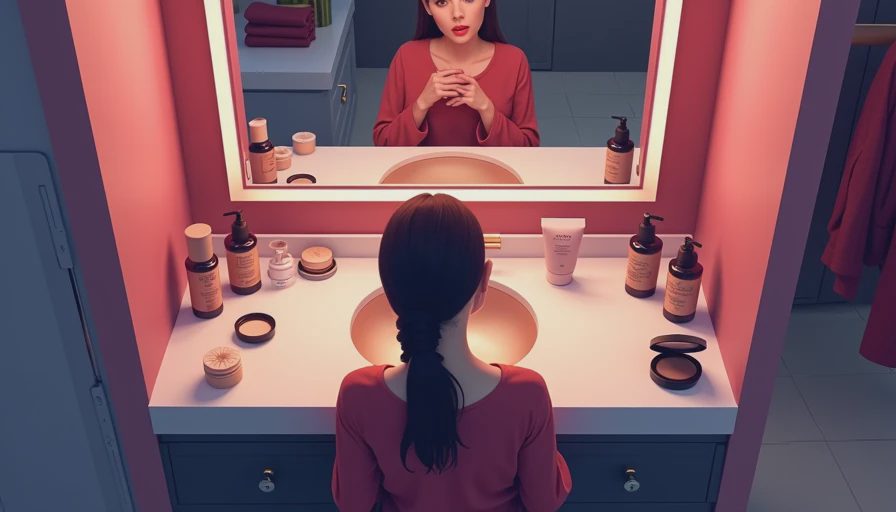
When readers ask for recommended makeup for rosacea, they often expect a thick full-coverage foundation. I usually start with medium coverage. Heavy pigment can emphasize dry patches, and a dense mask around the nose may look more obvious than the redness did.
NARS Light Reflecting Foundation, around $52, gives a natural medium finish and has held up for roughly ten hours on several wedding clients with careful prep. It is a good choice when you want skin to still look like skin. Estée Lauder Double Wear, generally about $52, offers longer, more matte wear and can work beautifully for an outdoor ceremony, but use a thin layer because excess product catches on texture.
At the drugstore, L'Oréal True Match Super-Blendable Foundation, often $12 to $16, is a sensible place to start. It has a flexible finish and a large shade range in many stores. Maybelline Fit Me Matte + Poreless, usually $9 to $11, is better for combination or oilier skin than very dry cheeks. I do not recommend choosing based on a label such as “for sensitive skin” alone; ingredient lists and your own patch test matter more than marketing.
Apply foundation from the center of the face outward with a damp sponge or a soft synthetic brush. Press rather than scrub. Use the least product on the areas that flush most, then add a second, pinpoint layer only where you need it. This technique is central to recommended makeup for rosacea because friction and excess product are common reasons a base starts looking rough.
Green corrector: useful tool, easy to overdo
Green does not erase rosacea, and a mint-colored face is not the goal. A tiny amount of green corrector can visually soften red around the nose or on isolated patches before foundation. Choose a sheer cream, not a highly pigmented theatrical formula. Apply it with a small synthetic brush, tap until nearly invisible, and cover it with a skin-toned base.
For an affordable option, NYX Professional Makeup Color Correcting Palette can be useful because you can mix a small amount, though its pans require a light hand. Make Up For Ever HD Skin Concealer, approximately $30, is another workable choice for targeted coverage. If your redness is spread across both cheeks, skip all-over green correction. It tends to create extra layers and a gray cast, especially in photographs.
The most natural recommended makeup for rosacea usually combines a thin foundation layer with concealer only where redness remains. Match foundation to your jaw or upper chest, not the reddest part of your cheek. A slightly wrong, overly pink shade can make the entire face look flushed.
Powder, blush, and the eight-hour test
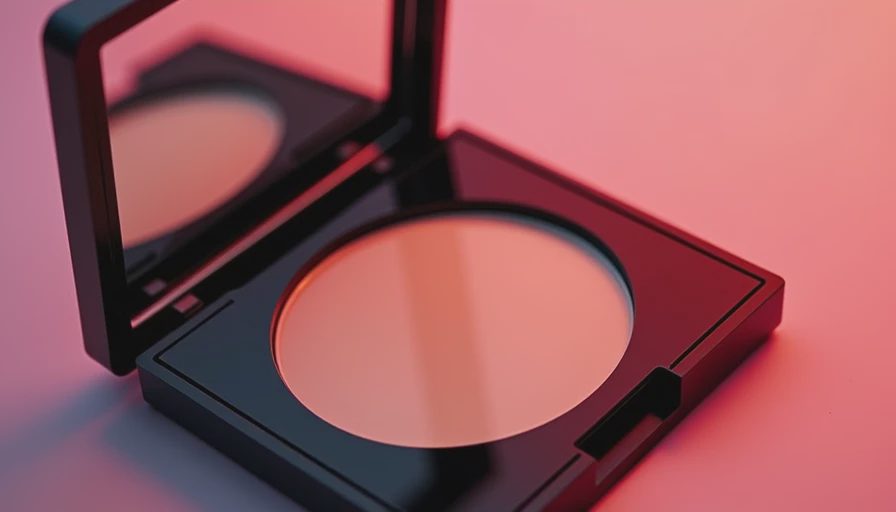
Powder is not forbidden; a thick veil is. Press a finely milled translucent powder onto the sides of the nose, chin, and eyelids with a small puff. Leave the cheeks mostly unpowdered if they are dry. Laura Mercier Translucent Loose Setting Powder, around $48, gives reliable control, while Coty Airspun, usually under $10, can work if you use very little and do not mind its noticeable fragrance.
Choose blush carefully. Powder blush over textured redness can look patchy, while a sheer cream formula can blend more naturally. Apply a muted rose, peach, or neutral berry above the cheek’s hottest area rather than directly on it. Tower 28 BeachPlease, about $20, has a comfortable cream texture, and Milani Cheek Kiss Cream Blush, usually $10, is a lower-cost alternative. Tap on color with a clean fingertip or sponge; dragging is the enemy.
Skip strong red blush, glittery highlighter, and intense warming bronzer when your face is already flushed. A soft neutral bronzer around the hairline and under the cheekbone adds shape without turning redness into the dominant color story. Photograph yourself in daylight after an hour, then again at the eight-hour mark. The second image tells you far more than a store mirror.
My wedding-day application order
For recommended makeup for rosacea that needs to last, I use this order: cleanse gently, moisturize, apply sunscreen, wait, spot-prime if needed, add sheer corrector only to distinct red patches, apply foundation, conceal, set strategic areas, and finish with blush and bronzer. I keep a clean sponge, cotton swabs, fragrance-free moisturizer, and the original foundation in my kit.
Do not touch up redness by repeatedly adding powder. First blot oil with tissue or a clean sponge. If a patch has separated, remove that tiny area with a cotton swab, add a pinhead of moisturizer, and press foundation back over it. This repair looks far better than covering a cracked patch with three more layers.
I also tell clients to avoid testing a brand-new product the morning of an event. Patch-test it along the jaw several days beforehand, and stop if you feel burning, itching, or swelling. A dermatologist can help identify triggers and treatment options when cosmetics are not enough.
The short list worth taking shopping
The recommended makeup for rosacea I would put in a beginner's bag is a familiar moisturizer, tolerated sunscreen, L'Oréal True Match or NARS Light Reflecting Foundation, a small amount of targeted concealer, e.l.f. primer only where necessary, and a fragrance-free or low-fragrance setting option. You do not need a green palette, five complexion products, or an influencer's entire bathroom shelf.
If I would not put a product on a bride, I will not tell you to put it on your face. Start with the calmest possible prep, apply less than you think, and judge the result after a full workday rather than ten minutes under flattering bathroom lighting. That is how recommended makeup for rosacea becomes practical makeup you can actually wear.
No notes yet — write the first one.