
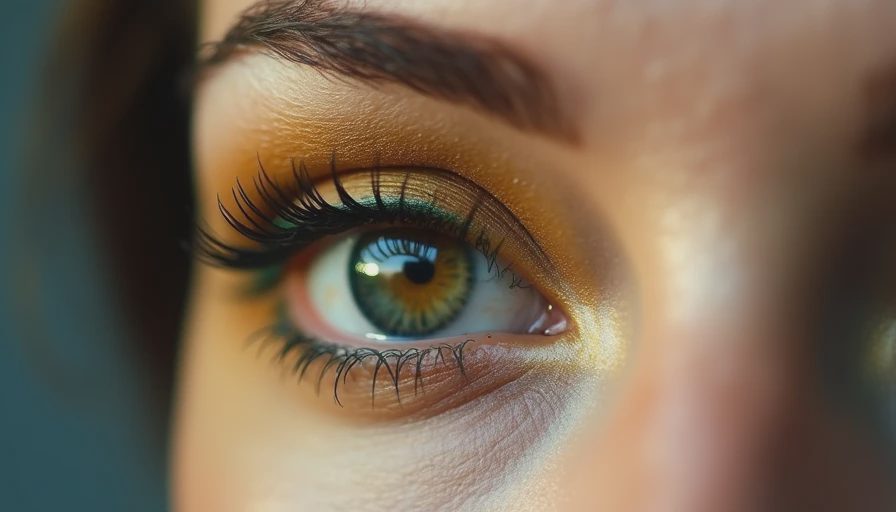
Hazel eyes are the makeup equivalent of a really good vintage jacket: they already have dimension, but the right styling makes every detail stand out. The best eyeshadow makeup for hazel eyes does not cover that green, brown, amber, and sometimes gray color mix. It pulls one tone forward at a time. After more than 200 weddings and countless commercial shoots, I have learned that the winning approach is less about owning a giant palette and more about choosing contrast deliberately.
If your eyes look greener in daylight but more brown indoors, that is completely normal. Hazel eyes change depending on surrounding colors, clothing, lighting, and even the warmth of your foundation. Warm bronze emphasizes amber flecks, burgundy makes green look clearer, and muted plum brings out both without looking theatrical. The trick is controlling intensity so the color looks intentional rather than like a random stripe above your lash line.
The Best Colors for Hazel Eyes
For everyday wear, start with soft bronze, caramel, antique gold, and medium chocolate brown. These shades echo the warmer parts of hazel eyes and create definition without competing with them. A satin bronze on the lid is especially reliable because it reflects light when you blink but does not emphasize texture the way chunky glitter can.
To make green tones more visible, reach for plum, eggplant, raisin, or a muted cranberry. Purple sits opposite green on the color wheel, so even a small amount along the outer lash line can make green flecks appear brighter. I prefer a smoked plum to a bright violet for most adults because it looks polished in photographs and remains wearable at an office, dinner, or ceremony.
Navy, charcoal, and deep forest green are useful when you want more drama. Black can work, but it often swallows the subtle color variation that makes hazel eyes interesting. If you use black liner, soften it with brown or plum shadow so the finish stays dimensional. This is the foundation of eyeshadow makeup for hazel eyes: use neighboring tones for harmony and opposing tones for emphasis.
A palette such as ColourPop Going Coconuts, e.l.f. Bite-Size Eyeshadow in Pumpkin Pie, or Urban Decay Naked3 gives you workable neutrals and rosy-plum options at different prices. I have used all three kinds of formulas on long workdays. The e.l.f. palette is remarkably useful for around $4, while Urban Decay offers smoother layering when you need a more refined event look.
A Simple Three-Shade Application
The most dependable eyeshadow makeup for hazel eyes uses three shades: a light matte or satin, a medium transition color, and a deeper accent. Begin by applying a thin layer of eye primer from lash line to brow bone. NARS Smudge Proof Eyeshadow Base is excellent for oily lids, but Milani Eyeshadow Primer, usually under $10, has held up through hot Los Angeles ceremonies for me.
Sweep the lightest shade across the lid and inner corner. Choose champagne for a warm look or soft ivory for something neutral. Next, place the medium shade slightly above your natural crease with a fluffy brush. Do not drag the color toward the brow. Keep the highest point of the blend where your eye naturally opens; this lifts the shape without requiring a complicated cut crease.
Press the deeper shade into the outer third of the lid, then blend the edge inward with a clean brush. For daytime, use chocolate brown or muted plum. For evening, deepen that same placement with espresso, aubergine, or forest green. Keep the darkest color close to the lashes. When shadow sits too high and too dark, it can make the eyes look smaller, particularly in flash photography.
Finish by running the medium shade along the lower lash line, stopping before the inner corner. Add a tiny touch of champagne at the tear duct, curl the lashes, and apply mascara. This method takes about six minutes and gives you enough structure to look finished without making the eyes look overworked.
How to Choose Finish and Formula
Matte shadows are best for shaping the crease and softening the outer corner. Satin formulas are ideal for the lid because they give hazel eyes a clean reflection. Metallics are beautiful when pressed on with a fingertip, but use them selectively. A full metallic lid can highlight creasing after several hours, especially without primer.
For a wedding or a long office day, I usually layer powder shadow over a thin cream base. A bronze cream shadow from Laura Mercier, priced around $32, can wear for eight to ten hours when applied sparingly. The e.l.f. No Budge Shadow Stick costs far less and gives a similar quick-wash effect, although I set the crease with powder to prevent movement.
The best eyeshadow makeup for hazel eyes is not necessarily the most colorful. It is the makeup that still looks balanced after six hours, a few photographs, and normal facial expressions. I test products while working because standing under warm lights, moving between clients, and wearing a mask during setup reveals problems that a five-minute bedroom test will not.
Daytime, Date Night, and Wedding Versions
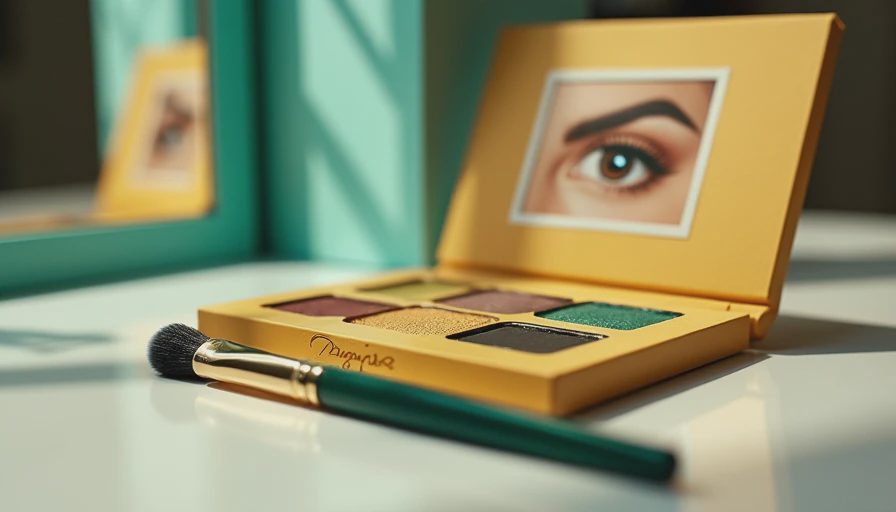
For daytime, use matte caramel in the crease, soft bronze on the lid, and brown pencil pressed into the upper lashes. Keep mascara focused at the roots so the look stays crisp. This combination brings warmth to the eyes without announcing that you are wearing a special technique.
For date night, replace bronze with rose gold or antique copper and add muted plum to the outer corner. A small angled brush lets you push the color between the lashes instead of drawing a thick line over them. Add a satin highlight beneath the brow only if the rest of your makeup is restrained; too much shimmer in that area can make the look feel dated.
For wedding makeup, I favor neutral taupe, soft bronze, and deep brown with a touch of plum at the lash line. It photographs beautifully in both natural and indoor light. Waterproof mascara matters more than an expensive palette, and individual lashes are often more flattering than a heavy strip. I use waterproof gel liner sparingly because a thick black wing can overpower hazel eyes in close-up photos.
Mistakes That Flatten Hazel Eyes
The first mistake is using one medium-brown shade everywhere. It creates definition but removes contrast, so the eye color becomes less noticeable. Give the lid, crease, and lash line different levels of depth instead.
The second is blending every shade until it becomes one color. Blending should remove harsh edges, not erase placement. Pause between steps and look straight ahead. If you can still see a soft lid color and a deeper outer corner, you are doing it correctly.
The third is skipping the lower lash line entirely. A little shadow underneath balances the upper lid and makes the eyes look larger. Keep it narrow and diffused rather than drawing a heavy ring around the eye.
Finally, do not choose a shade only because it looks beautiful in the pan. Test it near a window, take a flash photo, and wear it for at least six hours. If I would not put it on a bride, I will not tell you to put it on your face. That standard is why my favorite eyeshadow makeup for hazel eyes relies on practical shades, controlled placement, and formulas that survive real life.

No notes yet — write the first one.