
Finding foundation shades for olive skin is less about choosing “medium” or “tan” and more about spotting the green, golden, or muted cast underneath your surface color. I have matched more than 200 faces for weddings, commercial shoots, and long event days, and olive undertones are among the easiest to misdiagnose. A shade can look perfect in the bottle, orange in daylight, and strangely pink after two hours. The good news is that the right match becomes much simpler once you stop testing only by depth.
How to tell if your undertone is olive
Olive skin usually sits between warm and neutral, with a subtle green, gray, or muted golden quality. Your skin may look beige indoors but slightly green next to a bright white shirt. Silver and gold jewelry can both look good, which is another clue. Veins are less reliable than people think, but if they appear blue-green rather than distinctly blue or green, olive is worth investigating.
The quickest professional test is a three-stripe comparison along the jaw: one warm golden shade, one pink-neutral shade, and one muted beige or olive shade. Do not test on your hand. Hands get more sun, have different undertones, and will send you toward the wrong bottle. Let the stripes sit for ten minutes, then check them near a window. The shade that seems to disappear into your jaw and upper neck is the winner, even if it looks less exciting in the compact.
Very yellow foundation often turns mustard on olive skin. Pink foundation can look pale, rosy, or almost lavender. A neutral shade may be close but still appear too peachy. Look for product descriptions such as olive, neutral olive, muted golden, beige olive, or neutral-golden. Brands do not use these labels consistently, so the actual swatch matters more than the marketing language.
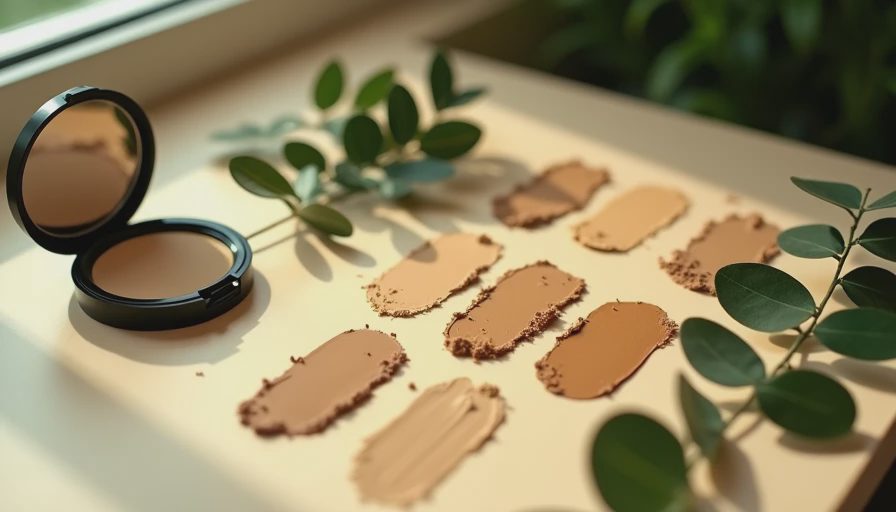
Foundation shades for olive skin that are worth testing
For an affordable starting point, try L’Oréal True Match, which offers a broad range and several neutral options. The formula is easy to sheer out, making it useful when you are between shades. NYX Can’t Stop Won’t Stop also has practical medium and deep options, although some shades run warmer than their online descriptions suggest. Test before committing to a full bottle if possible.
At the midrange level, NARS Light Reflecting Foundation has several flexible neutral and golden shades that photograph beautifully without looking heavy. Estée Lauder Double Wear is a stronger choice for a humid wedding or a 12-hour workday because it sets firmly and holds up through sweat. Armani Luminous Silk is lovely when you want a softer finish, but the undertone match must be exact because a wrong shade becomes obvious in photographs.
For foundation shades for olive skin, my favorite strategy is often choosing the closest muted neutral and adjusting it rather than forcing a bright yellow shade to behave. A tiny drop of blue mixer can calm an orange foundation, while a muted olive mixer can take the pink edge off a neutral formula. Use mixer sparingly; one small drop can change a pump of foundation dramatically. If you are constantly mixing, though, that is evidence you need a better base shade.
Test the shade like a makeup artist
Apply two narrow stripes from the center of your cheek down to your neck. Use clean skin with only your usual moisturizer, because primer and sunscreen can alter the finish. Wait ten minutes. Foundation can oxidize as pigments react with air, and a shade that starts pale may settle noticeably warmer. Check it in direct window light, bathroom light, and a phone camera without a beauty filter.
The correct match should not need to be blended aggressively at the jaw. If you can still see a stripe after gentle tapping, it is not your shade. Also check the center of your face separately from your neck. Many people have redness around the nose or chin, so matching the reddest area creates a face that looks too dark or too warm. Match the neck and upper chest, then use concealer only where extra coverage is needed.
For online shopping, compare swatches on several real skin tones rather than relying on a single arm photo. Search the exact shade name alongside “olive undertone,” and look for daylight images without filters. Sephora, Ulta, and many brand websites have return policies, but sample cards are still the least expensive way to avoid a $40 mistake.
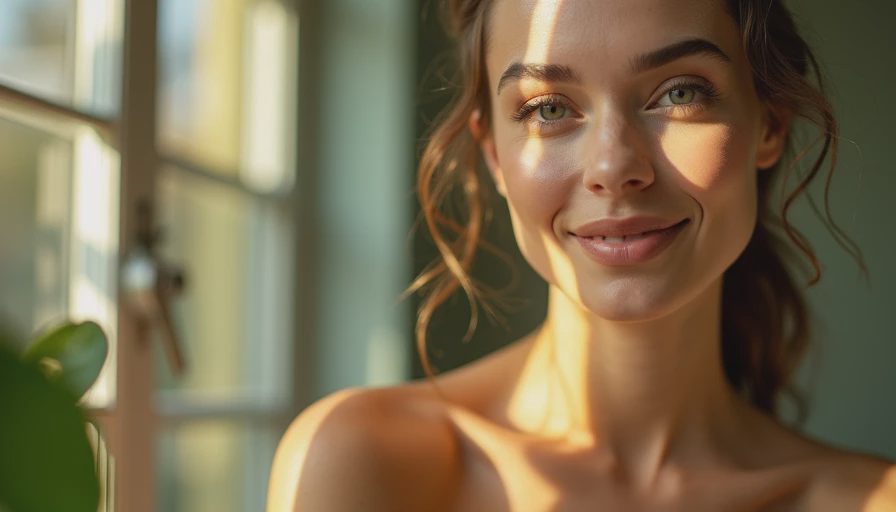
Application changes the final color
Even excellent foundation shades for olive skin can look wrong when the skin underneath is dehydrated or overly pink from aggressive skincare. Start with a thin moisturizer and allow it to settle for five minutes. If you use sunscreen, give it time to set as well. Too much wet skincare causes foundation to slide, separate, or mix with surface redness.
Apply one thin layer with a damp sponge when you want a natural finish. Press rather than wipe; wiping moves pigment across the face and can create uneven patches. Use a dense brush for fuller coverage, but finish by pressing a clean sponge over the cheeks and jaw. This removes excess product and creates the skin-like texture that survives close-up photos.
If your foundation looks orange, do not immediately add more powder. First remove a small amount from the center of the face with a clean sponge, then tap on a cooler concealer around the nose and mouth. If it looks gray, the shade may be too cool or too light. Add warmth with bronzer at the perimeter instead of choosing a darker foundation, which usually makes the mismatch more visible.
A simple shade-matching plan for your next purchase
Take a photo of your bare face near a window and note whether your skin looks more muted green, golden, or pink. Then choose three candidate shades at the same depth: one neutral, one warm, and one olive or muted option. Test them on the jaw, let them dry, and inspect them after ten minutes. The winner should blend into both your jaw and neck without leaving a visible border.
If you tan during summer, keep a second shade rather than using bronzer to darken your entire face. Mixing two compatible shades is also useful, especially when your neck stays lighter than your shoulders. A half-pump of your winter shade with a quarter-pump of the summer shade can keep the finish consistent without buying a completely new formula every few months.
When I test foundation shades for olive skin on a client, I always wear-test the match for at least six hours before recommending it for an event. I watch for oxidation, separation around the nose, and the way flash photography handles the undertone. A shade that survives dinner, dancing, and a phone camera is far more valuable than one that only looks good under store lighting.
The best foundation shades for olive skin are not always labeled olive, and the most expensive bottle is not automatically the best match. Start with undertone, test on the jaw, wait for oxidation, and judge the result in honest daylight. If I would not put it on a bride, I will not tell you to put it on your face. Take the extra ten minutes before buying, and your foundation will look like skin instead of a separate layer sitting on top of it.



No notes yet — write the first one.