If you are searching for good SPF for tanning, let me give you the honest makeup-artist answer first: no sunscreen makes intentional tanning safe. A tan is your skin responding to ultraviolet damage, and a sunburn is a more obvious version of the same problem. Still, you can enjoy time outside while reducing exposure, preventing a painful burn, and keeping your makeup, freckles, and skin texture looking better over time. The goal is protection, not a faster bronze color.
What SPF actually does
SPF primarily measures protection against UVB rays, the rays most associated with sunburn. A broad-spectrum sunscreen also protects against UVA, which penetrates more deeply and contributes to premature skin aging and uneven pigmentation. SPF 30 filters most UVB when applied correctly, while SPF 50 gives you a little more margin for missed spots, sweating, and long afternoons outside. Neither rating means you can stay in the sun indefinitely.
For most adults, I recommend a broad-spectrum SPF 30 or higher every day, with SPF 50 for beach days, hiking, pool time, or any situation where you will be outside for hours. If a label only says “tanning lotion” and does not clearly list broad-spectrum protection, it is not what I would choose. Tanning oils can make skin feel slick and look glossy, but they do not replace sunscreen. If I wouldn't put it on a bride, I won't tell you to put it on your face.
A practical example of good SPF for tanning is a lightweight broad-spectrum SPF 50 that you will actually apply generously and reapply. A theoretically stronger product sitting unopened in your beach bag offers no protection at all.
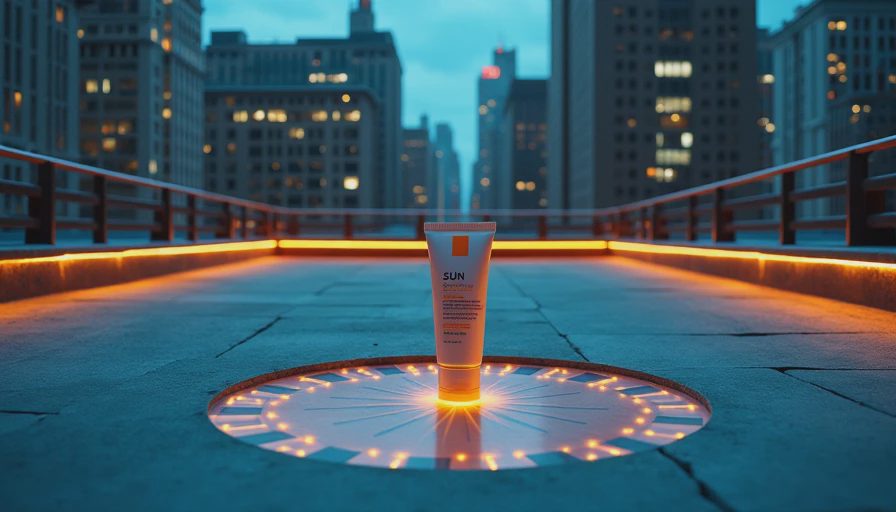
Choosing good SPF for tanning without wrecking your makeup
Face sunscreen has to cooperate with your skin care and foundation. For dry skin, La Roche-Posay Anthelios Melt-In Milk SPF 60 gives a more comfortable, moisturized finish and works well on the neck and chest. EltaMD UV Clear SPF 46 is a popular facial option when you want a thinner layer under makeup. It has a lightweight feel, though the price is often around $40 to $45. For a more budget-friendly choice, Trader Joe’s Daily Facial Sunscreen SPF 40 has a smooth, primer-like texture and typically costs under $10.
These are different finishes, not interchangeable promises. A sunscreen that looks beautiful on one face can pill on another if you layer it over a rich moisturizer or rush the application. Apply skin care first, then sunscreen, and allow about 10 minutes before foundation. If your base rolls into little flakes, use less moisturizer underneath, press sunscreen in rather than aggressively rubbing it, and wait longer before makeup.
The amount matters more than the brand. Use roughly two finger lengths of sunscreen for the face and neck, or enough to create a generous, even layer. Dot it across the forehead, cheeks, nose, jaw, ears, and neck before blending. Many people apply a thin veil to the center of the face and forget the hairline, eyelids, ears, and upper chest. Those are exactly the areas that show uneven color first.
The best routine for a day in the sun
Start with sunscreen 15 minutes before going outdoors. Reapply at least every two hours, and sooner after swimming, heavy sweating, or towel drying. Water-resistant products can help during beach or pool days, but “water-resistant” does not mean waterproof. Follow the label’s time limit, which is commonly 40 or 80 minutes in water.
For a face that will wear makeup, apply the full first layer before foundation. During the day, a sunscreen stick can help with targeted touch-ups around the nose and cheekbones, but I do not treat a stick as a substitute for that original generous application. Powder SPF can reduce shine, but it is difficult to apply enough powder to replace lotion sunscreen. A hat, sunglasses, and shade are not glamorous extras; they reduce the amount of ultraviolet exposure your sunscreen has to handle.
If you want color for an event, use a self-tanner instead. A gradual tanning lotion or facial tanning drops can create a warmer tone without ultraviolet exposure, but the product still does not contain reliable sun protection unless the label specifically says it does. I like applying self-tanner at night, washing my hands carefully, and using sunscreen the next morning. That gives you the appearance you want without treating sun damage as a beauty step.
Good SPF for tanning on different skin types
For oily or combination skin, look for fluid, gel, or oil-free formulas. Neutrogena Ultra Sheer Dry-Touch SPF 50 is widely available and usually lands around $12 to $16, while Supergoop! Unseen Sunscreen SPF 40 has a clear, silicone-like finish and often costs more than $35. The latter can smooth nicely beneath makeup, but the price does not make it automatically better protection.
For dry or mature skin, avoid assuming that a completely matte sunscreen is ideal. A hydrating formula can prevent foundation from emphasizing flaky patches, especially around the nose and mouth. If you are sensitive or prone to stinging, mineral formulas containing zinc oxide or titanium dioxide can be worth trying. They may leave a cast, so test the product along your jaw in daylight before buying it for a major event.
For acne-prone skin, choose noncomedogenic labeling when available, but remember that no label guarantees a breakout-free experience. Patch-test near the jaw for several days. Fragrance can also irritate reactive skin, particularly after exfoliating acids, retinoids, waxing, or a professional peel. On those days, simplify the routine and be especially disciplined about sun avoidance.
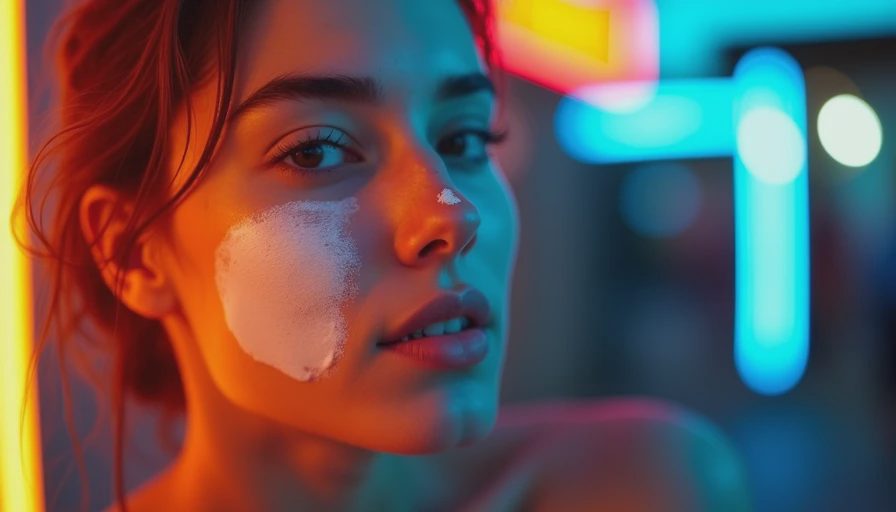
Common mistakes that cancel out your SPF
The biggest mistake is applying too little. The second is forgetting reapplication because the sky is cloudy or the temperature feels mild. UV exposure still occurs through cloud cover, and wind can make a person forget how much sun they are getting. Driving creates another overlooked situation: UVA can reach you through side windows, so daily face, neck, and hand protection makes sense even when you are not at the beach.
Do not mix sunscreen into foundation to make a tinted product. Diluting sunscreen changes how evenly it forms a protective film. Apply sunscreen as its own step, then use tinted moisturizer or foundation on top. Also replace sunscreen according to its expiration date and discard it if the texture, smell, or color changes. Store it out of extreme heat; a tube left in a hot car is not receiving a luxury spa treatment.
If your face burns, blisters, swells, or develops a severe rash, leave the sun and seek medical advice. For ordinary mild redness, cool compresses and gentle moisturizer are more sensible than scrubbing, exfoliating, or applying another tanning product.
My straightforward recommendation
The right answer to good SPF for tanning is broad-spectrum SPF 30 or higher, applied generously and reapplied consistently. Choose a finish you can live with under makeup, then add a hat, sunglasses, and shade when possible. For a bronzed result, use self-tanner rather than trying to outsmart ultraviolet radiation. You can have warm-looking skin and a polished makeup base without accepting a burn as part of the process.
Before your next outdoor day, test the sunscreen with your usual moisturizer and foundation, pack a backup for reapplication, and cover the spots you usually miss. Your future skin will be much happier with that plan—and your concealer will have fewer dark spots and dry patches to negotiate.

No notes yet — write the first one.