
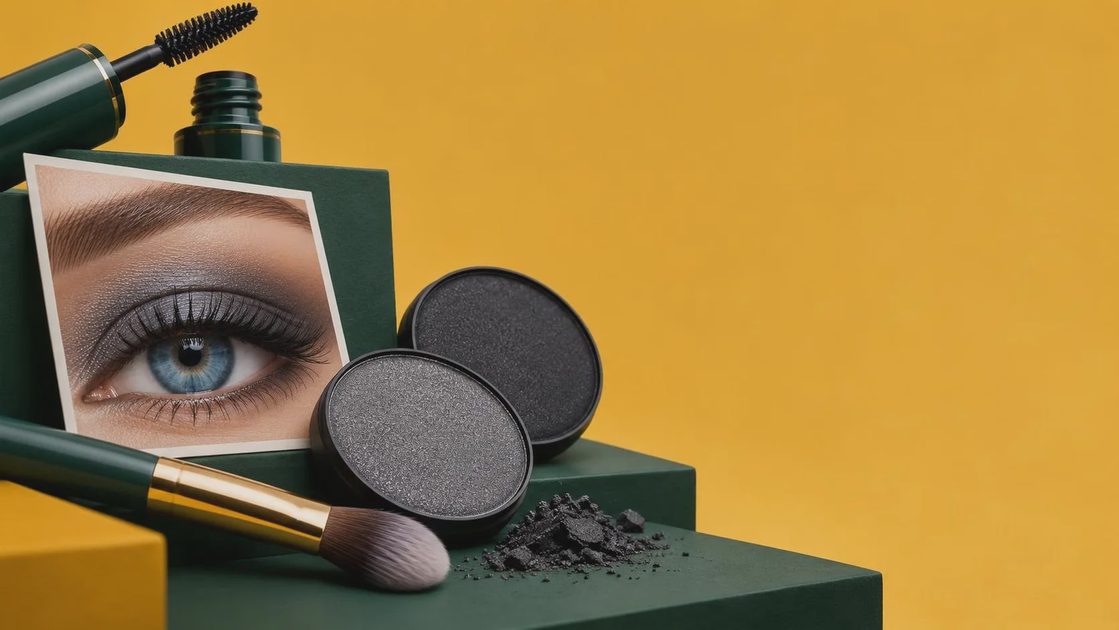
The most flattering smokey eye makeup for blue eyes doesn't have to be black or complicated. Start with a matte taupe or soft brown, deepen the lash line with chocolate or charcoal, and blend the edges until the color fades into your skin. Warm bronze creates a noticeable contrast with blue; cool gray gives you a moodier finish. Either way, the trick is keeping the deepest color close to your lashes, not spreading it all the way to your brows.
Pick your shades before you pick up a brush
For a warm look, choose a medium caramel or bronze and a deeper brown. Orange sits opposite blue on the color wheel, so coppery tones make blue eyes stand out. You don't need a bright orange shadow to get the effect: a muted terracotta or copper-brown does the job beautifully.
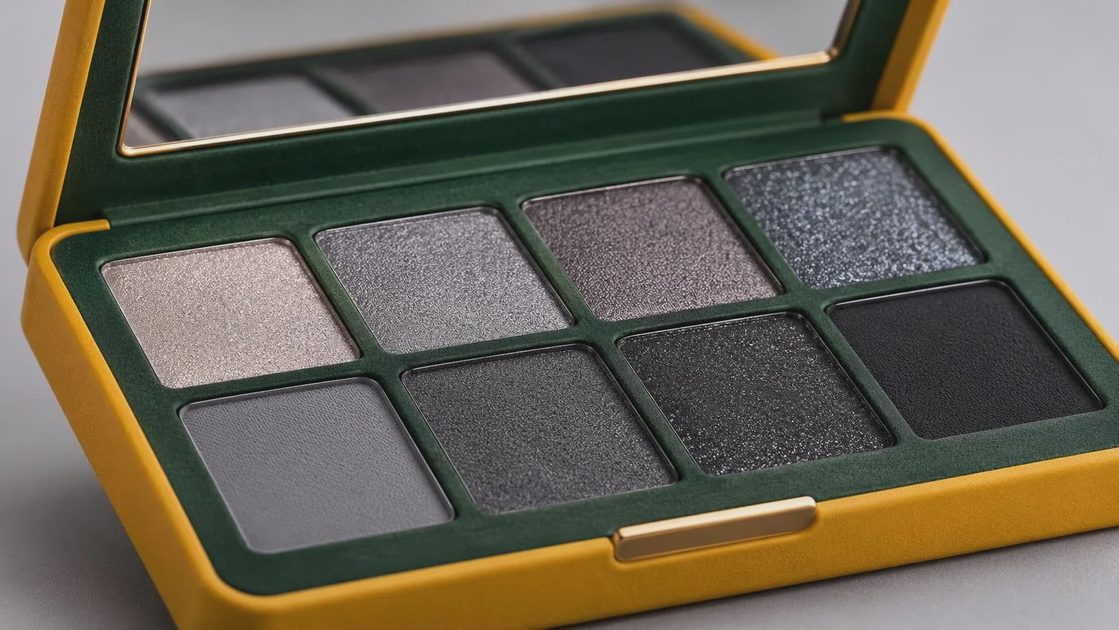
For a cooler look, pair taupe with charcoal or a smoky plum. Gray-blue eyes look especially good with a slate shade, but give the lash line enough depth that the color doesn't disappear into your iris. Navy can be gorgeous too; use it when you want a tonal look rather than maximum contrast.
Your skin depth matters as much as your eye color. A transition shade should show up a little deeper than your skin without looking chalky. On deeper skin, that could mean a rich warm brown rather than the pale beige called a transition shade in a palette. For shimmer, pick a bronze, champagne, or pewter that you like against your skin, not just in the pan.
You only need three shadows: a medium matte, a dark matte or satin, and an optional shimmer. Add a soft pencil if you want extra definition. A small fluffy brush, a pencil brush or cotton swab, and a clean fingertip will get you there.
How to apply smokey eye makeup for blue eyes
Start with clean, dry lids. If shadow usually creases on you, smooth a thin layer of eye primer from lash line to just above the crease. Let it settle according to the product directions. A thick layer of concealer isn't a substitute for everyone; on oily lids, it can slide around and take the shadow with it.
Press your medium matte shade onto the mobile lid with a small brush. Then look straight into a mirror and sweep a little of the same color just above your natural crease. Work in short back-and-forth motions, keeping most of the pigment on the outer half. Looking straight ahead shows you where the color will actually be visible when your eyes are open.
Next, press the dark shade into the outer third of the upper lash line. Use the pencil brush to soften it upward into the medium color, stopping below the top edge of your first shade. Add more in thin layers if you want drama. It's much easier to build depth than to rescue a dark patch that has traveled halfway to your brow.
For a softer line, draw brown or charcoal pencil in short strokes between and just above the upper lashes, then smudge it while it's still workable. Set it with a little matching shadow if you want a less glossy finish. Keep the inner third lighter; that small bit of space makes the look feel open instead of heavy.
Tap shimmer onto the center of the lid with a fingertip if you want dimension. Leave it off for an all-matte look, or place a tiny amount at the inner corner for light. Finish with mascara, concentrating on the roots. Let the first coat dry a little before adding another so the lashes stay defined rather than clumpy.
Adjust the placement for your eye shape
For hooded lids, apply the medium shade with your eyes open and bring its upper edge slightly above the fold. Keep the darkest shadow narrow at the lash line. If you place all the color in the crease while your eye is closed, the fold can hide the work as soon as you look up.
For deep-set eyes, try a lighter or satin shade on the mobile lid and reserve the darkest color for the outer lash line. A broad wash of very dark matte shadow across the whole lid can make the eye appear more recessed. A little reflective color at the center brings attention back to the lid.
If your eyes are close-set, concentrate the deeper shade at the outer corners and keep the inner corners relatively light. If they're wide-set and you want to balance the spacing, carry a little more of the medium shade toward the inner crease. These are placement options, not rules about what your face needs to look like.
Make the lower lash line look intentional
The lower lash line can pull the whole look together, but it doesn't need a thick dark stripe. With a small brush, push a little of your medium shade into the outer half of the lower lashes. Connect it to the shadow at the outer corner, then soften the edge with a clean cotton swab. For more depth, add a touch of the darker shade right at the outer roots.
If shadow tends to settle into fine lines, use less product and keep it close to the lashes. You can skip lower shadow altogether and use mascara there instead. Avoid putting ordinary shadow or pencils in the waterline unless the product is specifically labeled for that area, and stop using anything that irritates your eyes.
Keep the finish clean and comfortable
Do your eye makeup before concealer if you're using dark or shimmery powder. Sweep away fallout with a clean brush, then apply your base underneath. If you've already done your complexion, press a little loose powder under the eyes before shadow and gently sweep it away afterward; don't rub pigment into the skin.
For a long day, thin layers are your friend. Prime if you need it, press down powder instead of buffing aggressively, and carry a cotton swab for any smudges at the outer corners. Check the look in daylight as well as your bathroom mirror: the edge should be diffused, while the lash line still has enough depth to frame your eyes.
Take it off gently at night with an eye-safe remover. Hold a saturated cotton pad over the closed lid briefly to loosen the makeup, then wipe without scrubbing. Smoky should describe the shadow, not how your eyes feel afterward.

No notes yet — write the first one.