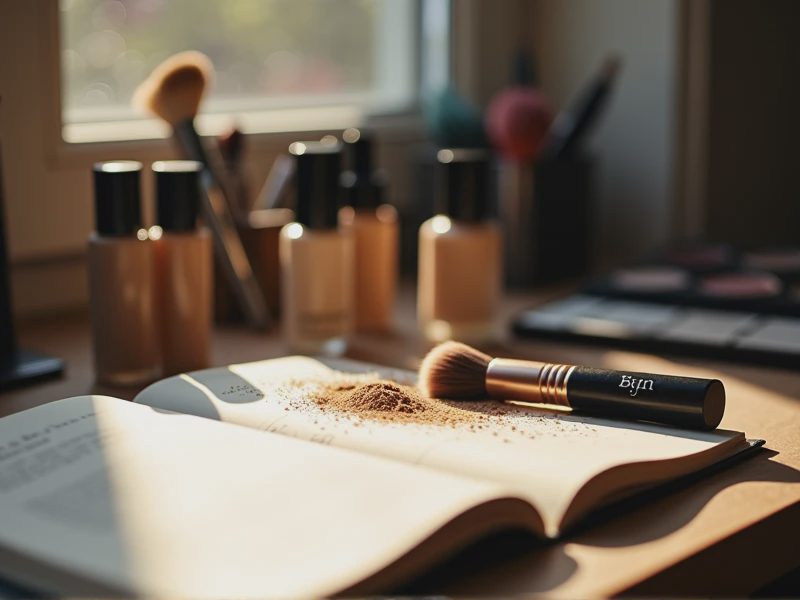
Zendaya’s red-carpet makeup has a reputation for looking both editorial and wearable at the same time. The finish is polished without feeling rigid. The skin looks like skin, only more even and intentional. The eyes and lips are precise enough to read in photographs but never so heavy that they take over the face. When a look does that consistently, it is not luck and it is not just “good genes.” It is a series of deliberate technical choices.
Here is how a working makeup artist reads one of those faces—and what you can actually borrow from it.
The skin: even, not covered
The base on these looks is almost never full-coverage foundation applied all over. It is targeted correction plus a sheer-to-medium layer that keeps texture visible. Redness around the nose and mouth is neutralized. Under-eyes are brightened without a heavy concealer triangle. The rest of the face is allowed to look like skin.
What this means in practice:
A lightweight foundation or skin tint worked into the skin with a dense brush or sponge, built only where needed. Concealer used sparingly and blended so the edges disappear. Cream products (blush, bronzer, highlight) applied while the base is still slightly receptive so everything melts together instead of sitting in separate layers. Powder is limited—usually just the T-zone and under the eye—so the face does not turn matte and flat under flash.
The “why” is simple. Heavy base photographs as mask. Skin that still has some life left in it photographs as skin. Zendaya’s team consistently chooses the second option.
The eyes: definition without drama for its own sake
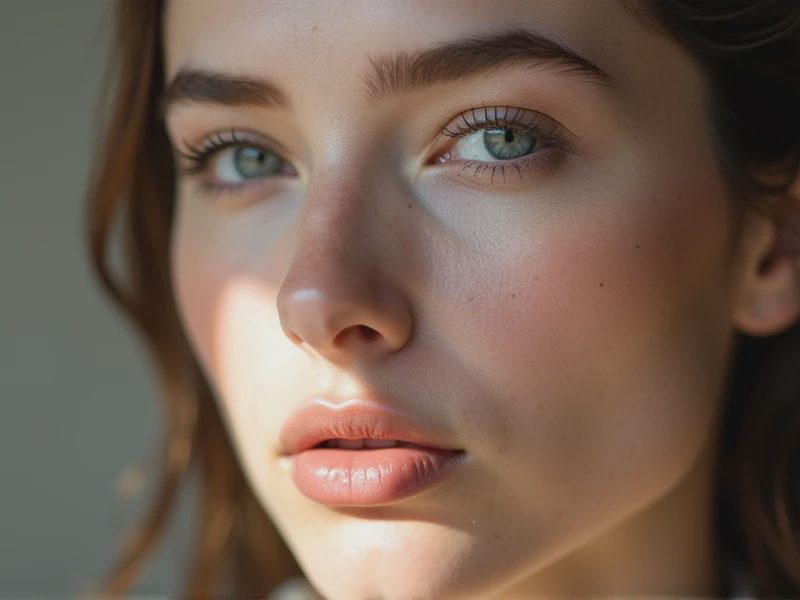
Most of her stronger red-carpet eyes use a tight, controlled shape rather than a large, smoky wash. The crease is deepened just enough to add dimension. The lash line is emphasized—sometimes with a thin tightline, sometimes with a precise wing that follows the natural angle of her eye. Lashes are present but not spidery. The outer corner is often the darkest point, which lifts and elongates without needing a dramatic cut crease.
Technique that travels:
Map the shape with a small, precise brush before you commit to intensity. Keep the darkest product close to the lash line and outer corner rather than dragging it all the way into the brow bone. Blend the upper edge thoroughly so there is no hard line, but do not over-blend until the shape disappears. A clean, defined edge reads better in photographs than a soft haze that vanishes under flash.
This approach works on a wide range of eye shapes because it respects the existing structure instead of imposing a trend shape on top of it.
The brows: polished, not redrawn
Her brows are rarely the main event. They are groomed, filled where needed, and kept in a natural density. The point is to frame the eye makeup, not to compete with it. Overly sharp or overly dark brows would throw off the balance of a look that is trying to stay elegant rather than aggressive.
If you take one thing from this: match the intensity of the brow to the intensity of the eye. When the eye is precise and controlled, the brow should stay relatively soft and believable.
The lip: the quiet anchor
Many of her most successful looks use a lip that is defined but not louder than the rest of the face. A refined nude, a soft rose, or a controlled red that has been blotted and perfected. The edges are clean. The center can have a bit of life. The color is chosen to work with the skin tone and the overall temperature of the makeup rather than to chase a trend shade.
Pro move that shows up often: lining the lip slightly and then diffusing the line so it does not look drawn. Or applying color, blotting, and reapplying so the pigment sits in the lip rather than on top of it. Either method gives longevity and a finished edge that still looks like a mouth.
Why the whole thing holds together
Three principles keep repeating:
Restraint in coverage so the skin remains the foundation of the look.
Precision in the features that need to read (eyes, lip edge, brow shape) without adding extra noise.
Texture harmony—creams with creams, limited powder, products that can coexist instead of fighting each other.
None of this requires celebrity-only products. It requires decisions about where to add and where to stop. The difference between a look that feels expensive and one that feels overdone is often just knowing when to put the brush down.
What to try on your own face
If you want the spirit of these looks without copying any single shade:
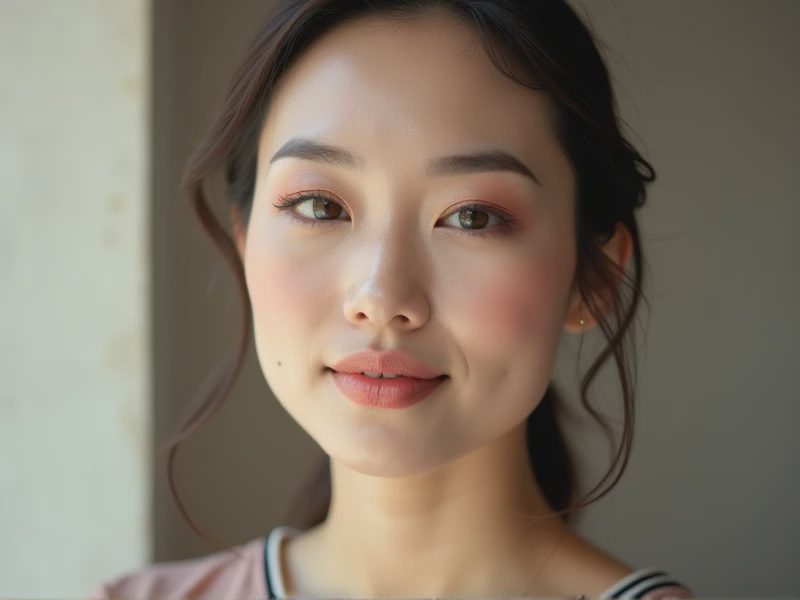
Use less foundation than you think you need and correct only what bothers you.
Keep eye definition close to the lash line and outer corner.
Choose a lip that finishes the face rather than competing with it.
Check the result in hard light, not just soft bathroom light. If it still looks intentional, you are close.
Celebrity makeup is edited, lit, and photographed under controlled conditions. The technique underneath, though, is still technique. When you understand the layers, you can take the parts that work and leave the parts that only work on a red carpet.
If I wouldn’t put it on a bride, I won’t tell you to put it on your face.
The principles above are the ones I actually use when the job is to make someone look like the most polished version of themselves—not like a different person.
— Simone
No notes yet — write the first one.