When clients show me photos of olive skin tone celebrities, they usually want one answer: which makeup colors will make their own complexion look clear, balanced, and expensive? After more than 200 weddings and countless commercial shoots, I can tell you the answer is less about copying a celebrity's exact products and more about understanding undertone. Olive skin often has a green, golden, or muted neutral cast that can make standard warm foundations look orange and cool shades look pink or gray.
What olive undertones actually look like
Olive skin is not one depth or one shade. It can be fair, medium, tan, or deep, with an undertone that leans green, golden, neutral, or slightly cool. The easiest clue is how base makeup behaves. If a foundation looks too yellow, too peach, or strangely pink even when the depth seems right, olive undertones are probably involved.
Another clue is that your skin may look different in different lighting. In a bathroom with warm bulbs, you can appear golden. Near a window, a muted green or gray cast may become more obvious. That is why swatching three beige shades on your wrist is a poor test. Apply a narrow stripe from cheek to jaw, then look at it in daylight after 10 minutes. The correct shade should disappear instead of announcing itself.
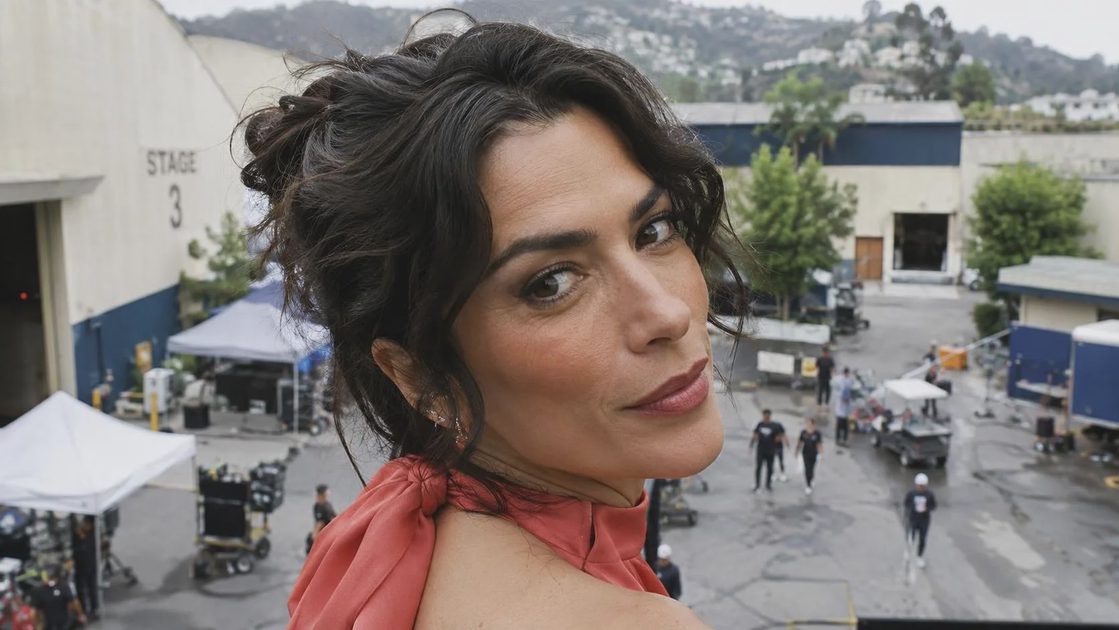
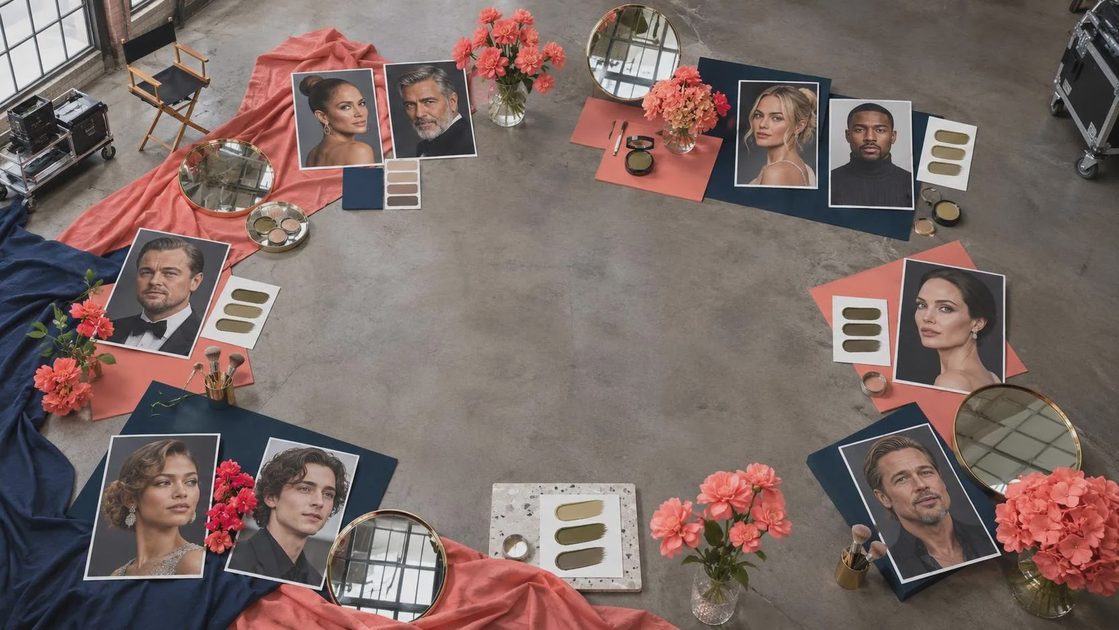
Olive skin tone celebrities are useful references because their makeup artists often avoid overly pink base products and overly orange bronzers. Still, celebrity lighting, body makeup, retouching, and tanning can change what you see on screen. Use the image as a color lesson, not as proof that one product will match you.
Foundation lessons from the red carpet
A good olive foundation match should support the skin rather than repaint it. On fair olive skin, look for neutral or muted beige shades and test whether the formula turns peach after it dries. Medium olive complexions often need a neutral-golden shade, but not every golden foundation works; strong yellow pigment can look like a mask against a green undertone. Deeper olive skin may need a neutral brown with a subtle golden balance.
I keep a blue mixer in my professional kit because a foundation that is too orange can sometimes be adjusted with a tiny amount. One small drop is enough to cool a pump of product. Do not pour blue pigment directly into an entire bottle. Mix a single application on a palette, then check the color along your jaw.
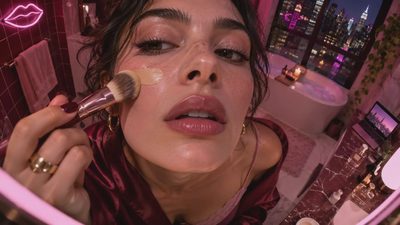
For a natural event finish, apply a thin layer of foundation to the center of the face and use the remaining product around the perimeter. Celebrities photographed under flash usually have carefully controlled shine, not a thick layer of makeup everywhere. Set only the sides of the nose, chin, and areas that crease. A light mist of setting spray followed by a pressed powder touch-up can last through an eight-to-12-hour event without flattening the skin.
The best blush colors for an olive complexion
Blush is where olive undertones can look especially alive. Muted peach, apricot, terracotta rose, cinnamon pink, and warm berry shades usually create more harmony than icy baby pink. If your complexion is fair, start with a sheer apricot or dusty rose. On medium and tan skin, try burnt peach, rosewood, or soft terracotta. Deeper olive skin can carry rich brick, berry, and red-plum tones beautifully.
The technique matters as much as the color. Tap cream blush high on the outer apple of the cheek, then blend slightly toward the temple. Place powder blush over the center only if you need extra wear. I tested this approach on a summer wedding in Los Angeles, and the blush remained visible after 10 hours without turning into a hard stripe. A $9 e.l.f. putty blush can perform perfectly well here; price is not the deciding factor.
When studying olive skin tone celebrities, notice whether the blush is muted rather than neon. That softened color is often what keeps the complexion from looking sallow or overly made up.
Bronzer, contour, and highlighter without orange
Bronzer should add believable warmth, not replace your undertone. Many olive complexions look better with a neutral tan, olive-brown, or soft caramel bronzer than with a bright orange powder. Sweep it across the upper forehead, cheekbone, and bridge of the nose, where sunlight would naturally land. Use a smaller brush near the nose so the color does not become a stripe.
For contour, choose a muted taupe-brown that resembles a real shadow. A bronzer can warm the face, but it will not always create believable dimension. Start with half the amount you think you need. In a bridal trial, I would rather add two thin layers than remove a muddy patch five minutes before photos.
Highlighter looks polished on olive skin when it has champagne, soft gold, or neutral pearl rather than a stark white base. Press it onto the tops of the cheekbones with a fingertip or small synthetic brush. Avoid carrying shimmer onto textured areas; a satin finish often photographs better than visible glitter.
Eye makeup colors that make olive skin glow
Olive skin tone celebrities frequently wear bronze, copper, espresso, plum, khaki, and smoky green because those shades echo or contrast with the undertone without fighting it. For an everyday eye, blend a medium caramel or muted brown through the crease, then add bronze to the lid. A plum pencil along the upper lash line creates definition that is softer than black.
Green eyes can look striking with bronze and plum, while brown eyes handle nearly every olive-friendly shade. Blue or gray eyes benefit from copper, warm brown, and rust. That does not mean you need a dramatic red-orange eye. A small amount of copper pressed close to the lashes gives the effect without taking over the face.
For a long workday, use an eyeshadow primer or a thin layer of concealer set with a small amount of powder. Too much cream under the shadow encourages creasing. Press shimmer onto the lid instead of sweeping it back and forth, especially if you will be photographed with flash.
Lip colors worth testing
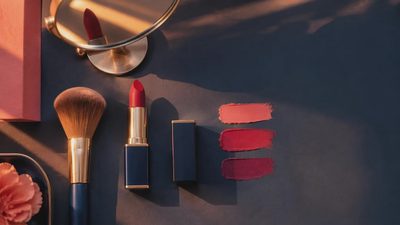
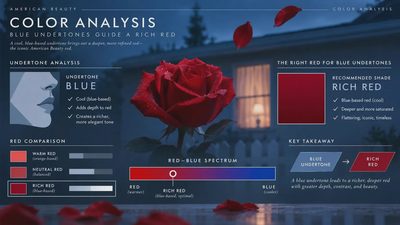
The most dependable lip families for olive skin include brick red, blue-red, cinnamon nude, rosewood, muted berry, terracotta, and brown-leaning mauve. A nude should resemble your lips with a little more definition, not erase them. If every nude lipstick looks orange, try a rosewood or mauve-beige shade. If pink lipstick looks chalky, choose a deeper berry or neutral red.
Red lipstick is particularly revealing. Olive undertones often look elegant in both blue-red and brick-red formulas, but the balance depends on your skin depth and natural lip color. Apply a matching or neutral lip liner first, fill in the edges, and blot once before adding the final layer. On a bride, I use this method because it leaves a stain-like base after the first layer wears down.
A drugstore option such as Maybelline SuperStay Matte Ink can deliver long wear, while NARS and Charlotte Tilbury offer different textures and finish levels. The formula matters as much as the shade: a comfortable satin may be more flattering than a dry matte that emphasizes every line.
How to use celebrity photos without copying blindly
The best olive skin tone celebrities are references for combinations: muted blush with bronze eyes, neutral foundation with brick lipstick, or soft gold highlight with brown liner. Save several images taken in different lighting, then look for repeated color patterns. Ignore the product list until you understand the placement and finish.
Before buying, test foundation on your jaw, blush on one cheek, and lipstick in daylight. Take a phone photo after 30 minutes because oxidation and natural oils can change the result. If the base turns orange, correct the undertone before changing the depth. If blush disappears, increase saturation rather than applying a huge amount.
That is the practical takeaway I use on working faces: match the undertone, keep warmth controlled, and build color in thin layers. If I wouldn't put it on a bride, I won't tell you to put it on your face.

No notes yet — write the first one.