
Wondering what color eye shadow for hazel eyes actually makes them stand out? Start with plum or mauve to emphasize green, bronze or copper to draw attention to gold, and deep brown for an easy everyday look. Hazel eyes have a mix of tones, so the best shade depends on which one you want to play up—not a rule that says everyone needs the same purple palette.
For a soft daytime eye, choose a matte taupe or rosy brown close to your skin depth. For more contrast, try plum along the lash line. Want the warm flecks to catch the light? Press a little bronze onto the center of the lid. None of these requires a complicated five-brush situation.
What color eye shadow for hazel eyes brings out green?
Plum is my first pick. Its reddish-purple undertone creates contrast with green, making those flecks look more noticeable. Mauve gives you a softer version, while eggplant adds depth without the starkness of black. If a bright purple feels like too much, use a brown with a plum undertone instead.
Start by sweeping a matte shade through the crease with a small fluffy brush. Keep your eyes open and look straight ahead: place the color just above the natural fold if you want it visible when your eyes are open. Then press a deeper plum close to the upper lashes with a small angled brush. Smudge the edge before adding mascara.
Pinkish shades can sometimes make the area around the eye look more flushed, especially if they're blended all the way around without definition. A thin line of brown or charcoal at the upper lashes gives the color a little separation from the whites of your eyes. You don't have to avoid pink; you just need to be intentional about placement.
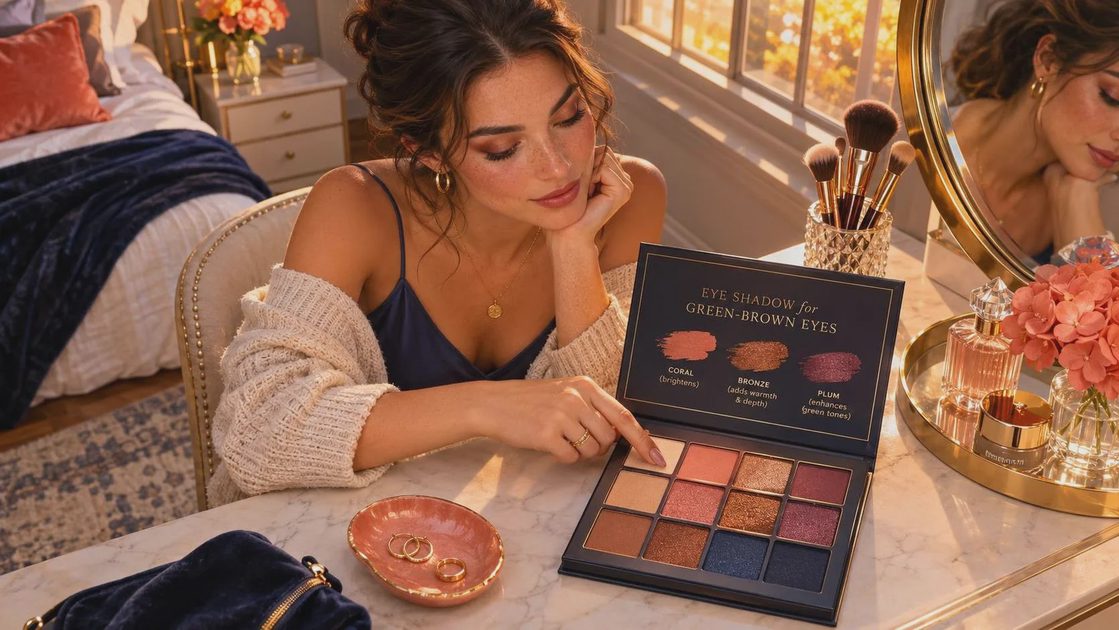
Bronze, copper and gold for warm flecks
Bronze and copper are beautiful choices when you want the amber or golden parts of hazel eyes to take center stage. Bronze is generally the easier everyday option because its brown base adds definition. Copper has more orange in it, so it reads brighter. Gold catches light quickly; use a small amount on the lid rather than dusting it from lashes to brow.
For an easy warm look, blend a matte medium brown into the crease, then press bronze onto the mobile lid with a fingertip or flat brush. Add a deeper brown at the outer lash line. The matte shade gives the shimmer a soft frame, which keeps the look from turning into one shiny patch.
Pay attention to depth, not just the name on the pan. A pale champagne can disappear on a lighter complexion or look very bright on deeper skin; a rich bronze can be a subtle wash on deeper skin or a smoky shade on lighter skin. Swatch near your face and check it in daylight before deciding where to apply it.
Can you wear green shadow with hazel eyes?
Absolutely. Olive, khaki and forest green can echo the green in the iris without competing with it. The trick is to choose a shade that has enough contrast with your eye color and skin. If your eyes are a light green-hazel, try a deeper olive liner. If they're deeper brown-hazel, a lighter mossy shade on the lid can give you more visible contrast.
For a simple olive eye, pat the color over the lid, stopping at the crease, and blend the top edge with a clean brush. Press dark brown shadow between the upper lashes for definition. Add a touch of champagne to the inner corner if you want brightness, but keep it off the entire brow bone if you're after a modern, understated finish.
Green doesn't have to match the green in your eyes exactly. In fact, a close match can blend in rather than make your eyes stand out. Hold the shadow pan next to your face and look for a difference in depth or warmth.
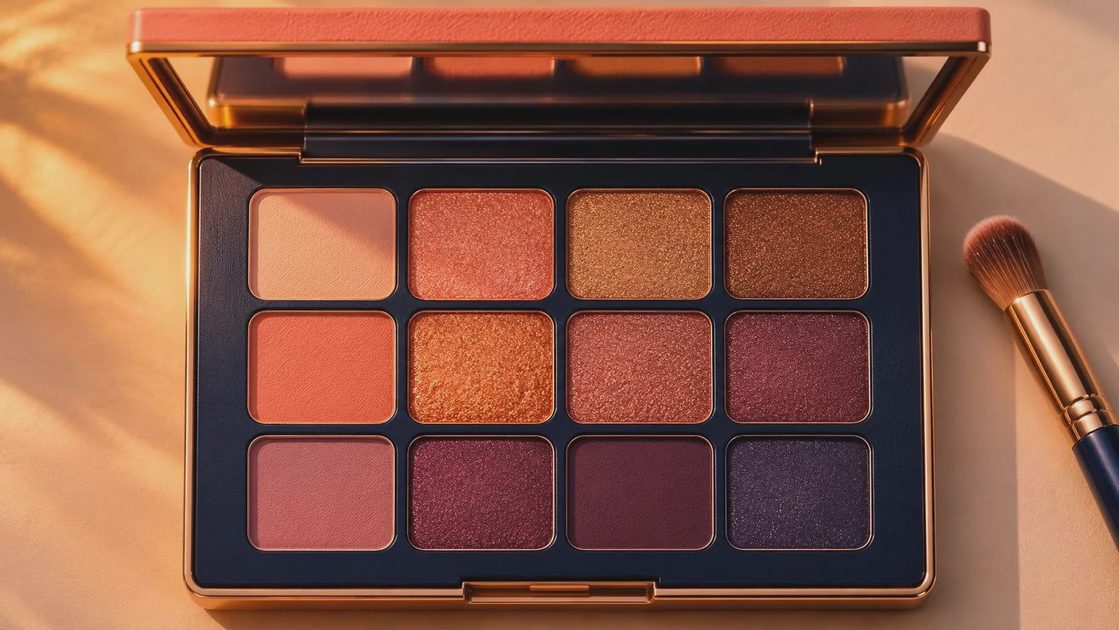
Make the color last without piling it on
Start with clean, dry lids. If you use eye cream, give it time to settle and blot any excess before applying an eye-shadow primer. A thin layer is enough; too much product underneath can make blending harder. Let the primer set according to its directions, then apply shadow in light layers instead of trying to get full intensity in one swipe.
For oily lids, favor thin layers of powder and keep cream products away from the crease unless you know they stay put on you. For dry or textured lids, a finely milled satin can be more forgiving than chunky glitter. Press shimmer onto the center of the lid rather than dragging a brush back and forth, which can scatter sparkle onto your cheeks.
If you're getting ready for a long event, try the combination on an ordinary day first. Check it in daylight after several hours: look for creasing, fading at the outer corners and fallout under the eyes. That tells you more than a perfect photo taken five minutes after application.
Choosing a finish and pulling the look together
Matte shadows are useful for shaping because they add depth without reflecting much light. Satin gives a softer sheen, while metallic shadow makes the lid the focal point. For hooded eyes, keep the deepest color close to the lash line and blend the transition shade slightly above the fold. A small brush gives you more control than a large fluffy one.
Brown mascara and liner create a softer finish; black gives more contrast, particularly for an evening look. If you're wearing plum, try deep brown or charcoal liner. With bronze or olive, espresso brown ties the colors together without adding another competing shade.
My favorite starting point is a matte rosy brown in the crease, a little bronze on the lid and a fine line of deep brown at the lashes. It's easy to adjust: swap bronze for plum when you want more green contrast, or use olive when you want something a little less expected. Look at the finished eye in the light you'll actually be wearing it in, and let that decide how much color you need.


No notes yet — write the first one.