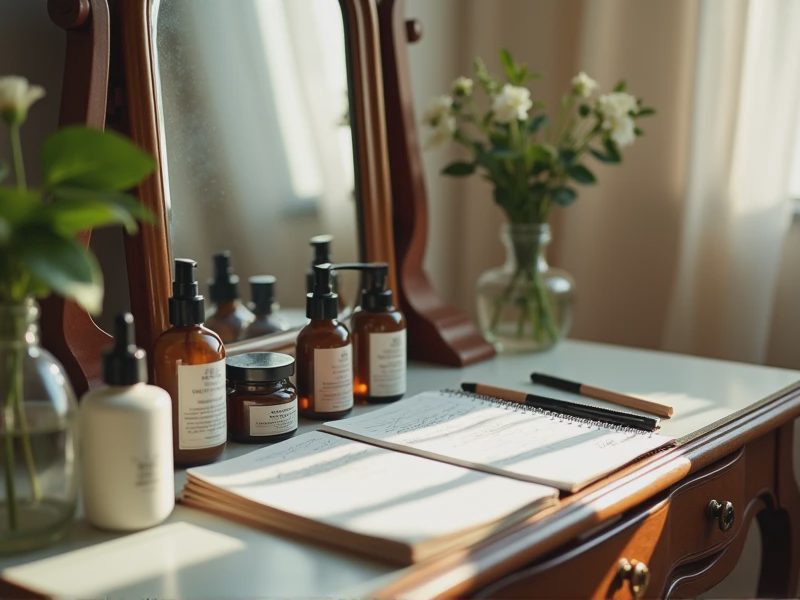
I’ve done makeup for more than two hundred brides. Hotel rooms, backyard tents, downtown lofts, the occasional venue where the only power outlet is behind a potted plant. After a while the patterns become impossible to ignore. Pinterest will show you soft lighting and perfect skin. Real wedding days show you something else.
Here is what actually matters once the timeline starts and the emotions hit.
1. The trial is not a suggestion
The brides who skip the trial or treat it like a casual meet-and-greet are almost always the ones who feel unsettled on the day. A proper trial is where you discover that the “natural” look they saved takes forty-five minutes to build, that their skin reacts to a product they thought they loved, or that the lash style they wanted makes them blink like they’re sending Morse code.
I now refuse to book a wedding without a trial. Not because I’m difficult. Because I have watched too many women try to solve problems at 7 a.m. that should have been solved weeks earlier. The trial is where we find out what your face does under stress, under different light, and under the exact products we plan to use. Skip it and you are gambling with the one day you cannot reshoot.
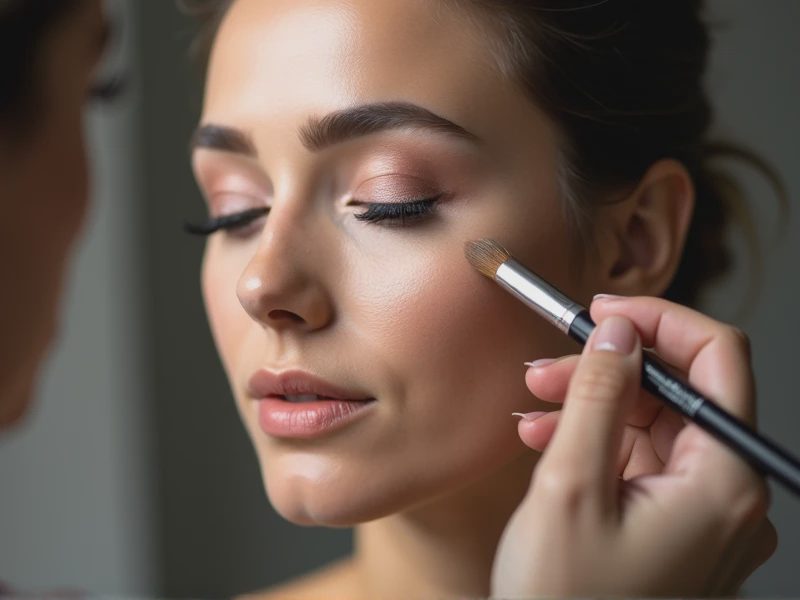
2. “I want to look like myself” usually means something more specific
Almost every bride says some version of this. What they often mean is: I want to look like the best version of myself, photographed, in this dress, under this light, while crying and laughing and moving for twelve hours. That is not the same as “no makeup.” It is also not the same as the full glam they secretly like but feel they shouldn’t ask for.
My job is to translate the sentence into actual decisions: how much coverage, how much eye definition, whether the lip can survive a ceremony and a meal, whether the skin needs to look like skin or like a filtered version of skin. The clearer we get on that translation during the trial, the fewer surprises show up on the day.
3. Longevity is a system, not a single product
No foundation is magic by itself. The brides whose makeup still looks intentional at the end of the night usually had a system: proper prep for their skin type, a base that was tested on them, strategic setting (not baking everything into a mask), cream products where they make sense, powder where it is needed, and a realistic plan for touch-ups.
I have seen expensive products fail by hour four and drugstore products hold up with the right layering. The variable is rarely the price tag. It is whether the combination was tested on that specific face under conditions that resemble the actual day.
4. Timing is part of the makeup
A beautiful face applied in a frantic twenty minutes rarely stays beautiful. The brides who look calm in photos are often the ones whose timeline included enough buffer for makeup to be done without rushing, for them to eat something, and for a few quiet minutes before the next event. When the schedule is compressed, even perfect technique starts to show the stress.
I build timelines that protect the makeup window. If a planner or a family member tries to shrink it, I push back. A rushed application is one of the fastest ways to get a result that needs constant fixing.
5. Your skin will do something unexpected
Stress, sleep, hormones, champagne, temperature changes, tears. Something will shift between the trial and the wedding day. The brides who handle this best are the ones who already know their skin’s usual behavior and have a simple backup plan. Extra blotting papers. A concealer that matches. A lip color that can be reapplied without a mirror and a full kit.
I always leave the bride with a small emergency kit and clear instructions. The ones who use it are not failing. They are managing a live event.
6. The “no-makeup makeup” look is often the most technical
This one surprises people. A full glam eye can hide a lot. A barely-there face has nowhere to hide. Skin has to be even without looking coated. Brows have to be polished without looking drawn on. Lips have to look like lips, only better, and still last. Achieving that takes time, the right textures, and a lot of restraint. It is not the easy option. It is the one that requires the most precision.
If a bride wants this look, we plan for it properly. We do not pretend it is a ten-minute job.
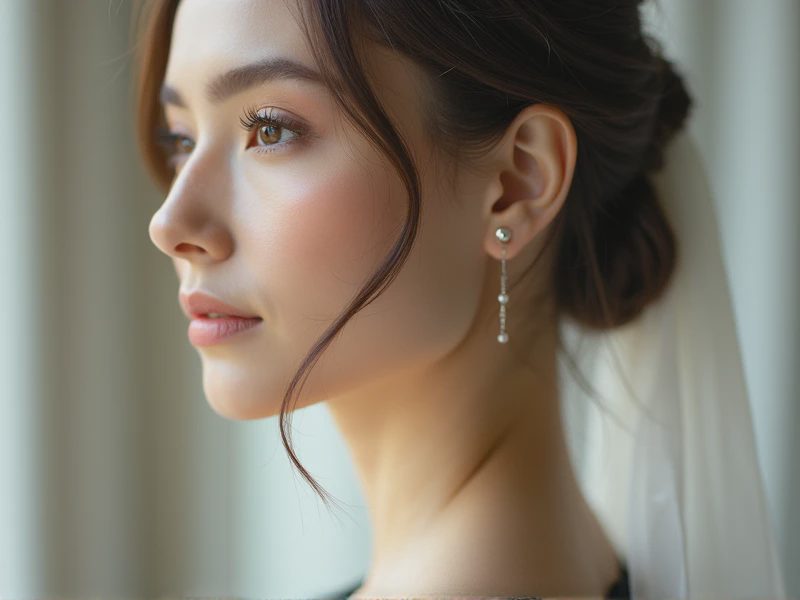
7. Photos and real life are different lighting situations
What looks perfect in person can disappear or turn harsh under certain flash or outdoor light. What looks slightly more defined in person often photographs as balanced. I check work in multiple lights during the trial and on the day. I also remind brides that the goal is not to match a filtered preview image. The goal is to look like themselves in the actual conditions of their wedding.
The pattern underneath all of it
The happiest brides I work with are not the ones who chase a specific trend. They are the ones who make decisions early, test them, and then let the day happen. They treat makeup as part of the infrastructure of the wedding, not as a last-minute decoration.
Two hundred weddings teach you that perfection is not the point. Continuity is. Looking like yourself when you are tired, emotional, hot, or overwhelmed—that is the actual job.
If I wouldn’t put it on a bride, I won’t tell you to put it on your face.
Everything above is what those brides, and their faces, have taught me.
— Simone

No notes yet — write the first one.