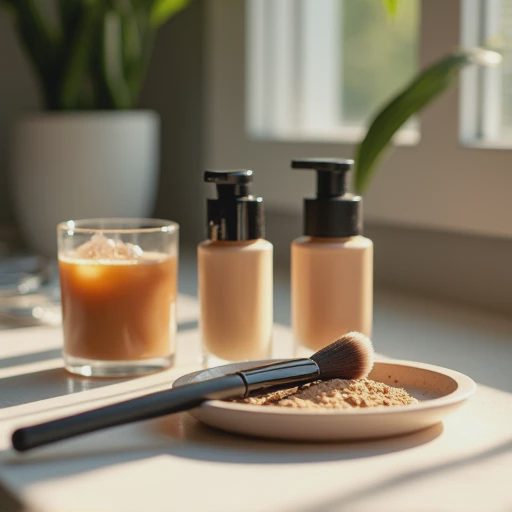
Los Angeles in summer does not care about your carefully blended base. The heat is dry, the sun is direct, and the temperature inside a car or an outdoor venue can undo an hour of work in twenty minutes. I have fixed more melted faces between June and September than in the rest of the year combined. After enough of those repairs, certain patterns become non-negotiable.
This is not a list of “holy grail” products. It is the system I actually use when the job has to survive heat.
Prep is not optional—it is the whole game
Most summer makeup failures start before any product hits the skin. Heavy cream moisturizers turn into slip layers. Skipped sunscreen becomes a regret by noon. Inconsistent absorption means foundation sits on top of damp skin and then slides.
What works in practice:
A lightweight, fast-absorbing moisturizer. Gel or gel-cream textures over rich ones. Sunscreen that fully sets—chemical or hybrid formulas that do not leave a greasy film. Give everything five full minutes before base. If your fingers still pick up product when you press your cheek, wait longer. This single habit prevents more melting than any setting spray.
Base strategy for heat
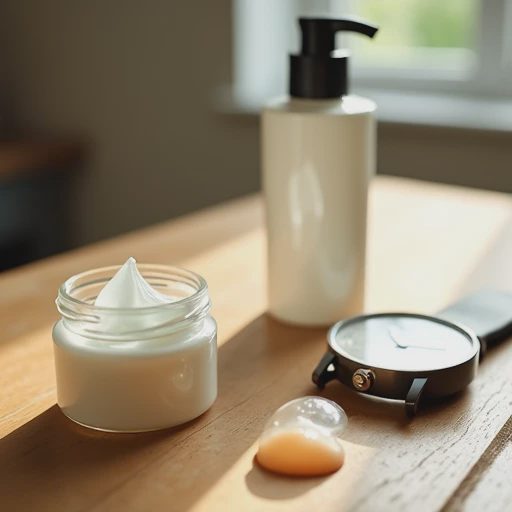
Full-coverage, purely creamy foundations are the first to move. In summer I reach for formulas with some grip—light-to-medium coverage that can be built, or long-wear liquids that dry down instead of staying emollient. I apply less product than in cooler months and concentrate it where it is actually needed. The goal is an even face, not a mask that has to be maintained all day.
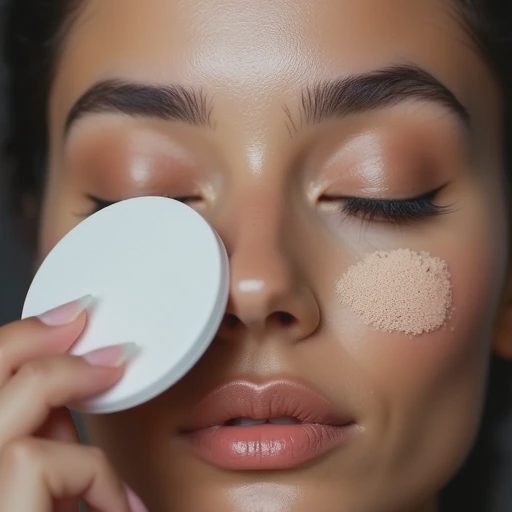
Powder is used with intention, not fear. A light dusting through the T-zone and anywhere that typically gets shiny keeps oil from breaking the base apart. I avoid heavy baking; it looks dry and cracked when the face inevitably moves and heats up. A pressed powder for touch-ups in a bag is more useful than a loose powder that dumps product everywhere when you are outside.
Cream vs. powder in high temperatures
Cream blush and bronzer look beautiful at application and can turn patchy or migrate once heat and oil appear. In peak summer I often switch to powder formulas for cheeks, or I apply cream products very sheerly and set them lightly. Eyes are more forgiving if you use a primer and avoid overly creamy shadows that never fully set. A pencil or gel liner that actually dries will outperform a rich kohl that turns soft and smudges into the crease.
Lips are simpler: stains and long-wear liquid formulas survive better than rich bullet lipsticks. If you want the comfort of a traditional lipstick, blot it thoroughly and keep the bullet with you. Assuming it will still look perfect after lunch outdoors is how you end up reapplying in a car mirror.
The touch-up reality
Even good systems need maintenance. I send clients out with blotting papers, a small powder, and a concealer that matches. Blot first, then powder. Adding powder on top of oil just makes paste. For under-eyes, a tiny amount of concealer pressed in with a fingertip is more effective than trying to rebuild the whole base in a bathroom.
Setting spray helps when used correctly—after powder, as a final layer, not as a magic shield you can skip the rest of the work for. It is a finisher, not a substitute for proper prep and product choice.
What I do on my own face
On a hot workday I use a light, long-wearing base, minimal cream products, powder where I know I get shiny, and a stain or long-wear lip. I blot when needed and accept that by hour ten the finish will be more “lived-in” than “freshly applied.” Looking intentional is the goal. Looking identical to the 8 a.m. mirror is not realistic for most skin in this climate.
I also keep the rest of the body in mind. A face that is carefully set while the neck and chest are shiny and unprotected starts to look disconnected. Extending a bit of powder or a light dusting of bronzer downward helps the whole thing hold together in photos and in person.
The larger point
Surviving L.A. summer makeup is less about finding one perfect product and more about reducing the things that fight the weather. Lighter textures, strategic powder, realistic expectations, and a small touch-up plan will outperform a complicated routine that only works in air conditioning.
I have watched expensive makeup melt and inexpensive makeup hold. Heat does not care what you paid. It only cares whether the system was built for it.
If I wouldn’t put it on a bride, I won’t tell you to put it on your face.
In August, that means I only recommend what I have already seen survive the same heat the bride will walk through.
— Simone

No notes yet — write the first one.