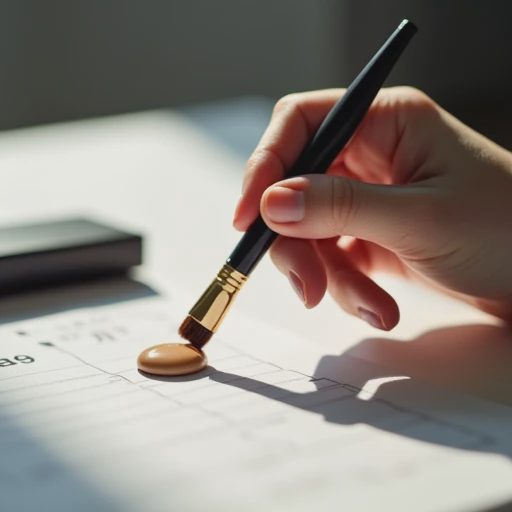
A wedding trial is supposed to be the moment you confirm that your makeup artist understands your face, your timeline, and the actual day you are planning. Most trials go fine. Some quietly tell you everything you need to know about walking away before a deposit becomes a problem.
I have done hundreds of trials. I have also heard the aftermath from brides who ignored the warning signs and spent their morning being corrected, rushed, or talked out of what they actually wanted. Here is the checklist I wish every bride used.
1. They dismiss the trial as optional or “just a chat”
If an artist is willing to book your wedding without ever seeing your skin, your features, or how you react to products, they are gambling with your face. A real trial is where shade matching, texture, longevity, and style get tested. Treating it as a formality is the first sign that the day-of service will also be treated as a formality.
Walk away if they push to skip it or charge you in a way that makes the trial feel like an upsell instead of a requirement.
2. They do not ask about your skin, your timeline, or the venue light
A competent artist asks questions: Do you get oily? Dry? Redness? Are you planning outdoor photos at 2 p.m.? Is there a first look? What is the actual order of events? If the conversation stays only on Instagram inspiration photos and never moves to logistics or skin behavior, the artist is designing for a picture, not for a day.
3. The trial look has no relationship to what you requested
You asked for soft and skin-like. You left with full contour, heavy eye, and a lip that belongs on a different face. When you say so, they tell you that “this photographs better” or “trust the process.” Sometimes a professional push is useful. Consistent override of your stated preference is not collaboration. It is a preview of how little control you will have on the morning of the wedding.
4. Products are applied without discussion of longevity or conditions
No conversation about heat, tears, glasses, masks, outdoor time, or how the makeup will be maintained. No mention of what you should do for touch-ups. If the artist is not thinking about hour eight while they are applying product at hour zero, you will be the one dealing with the breakdown later.

5. The finish looks good only in their preferred lighting
Many artists photograph their work under soft, flattering light and never check it in harsh daylight or the kind of mixed lighting a venue actually has. Ask to step outside or under different light. If the makeup falls apart or turns flat the moment the lighting changes, and the artist has no adjustment for that, believe what you are seeing.
6. Hygiene and kit handling feel off
Brushes that look unclean. Products dipped into directly without spatulas when they should be sanitized. A general sense that tools are shared without care. You are allowed to notice this. You are allowed to leave. Your face is not the place to test someone else’s standards.
7. Timing and communication are already unreliable
They ran significantly late to the trial with no real explanation. Messages go unanswered for days. Changes to the appointment feel chaotic. The trial is the low-pressure version of the wedding morning. If the logistics are already messy, the high-pressure version will not magically become organized.
8. You leave feeling talked down to or dismissed
You tried to explain what you like and do not like. The response was condescending, impatient, or made you feel high-maintenance for having preferences. A wedding morning is intimate and time-sensitive. You need someone who can listen under pressure, not someone who needs to win every aesthetic argument.
What a good trial actually looks like
The artist asks questions and listens to the answers. They match products to your skin and the conditions of the day. They show you the look in multiple lights. They explain what will need refreshing and how. They adjust when something is not working instead of insisting it is fine. You leave with clarity, not just pretty photos.
A trial should reduce anxiety. If it increases it, pay attention.
The practical bottom line
Deposits are recoverable more easily than a ruined morning. If two or three of these red flags show up, keep looking. There are enough skilled, professional artists who treat the trial as real work. You do not need to convince someone to take your face seriously.
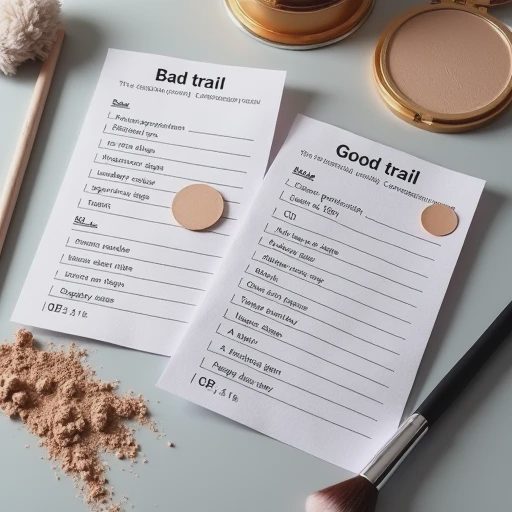
I would rather lose a booking than take on a bride who already feels uneasy. The reverse is also true: you should rather lose a deposit than spend your wedding day hoping the person holding the brush suddenly becomes careful.
If I wouldn’t put it on a bride, I won’t tell you to put it on your face.
And I would never ask a bride to ignore the clear signals that the person applying it is not the right one for the job.
— Simone
No notes yet — write the first one.