Cool pink is one of those makeup colors that looks effortless in a photo and oddly stark in your bathroom mirror. The difference is almost always placement, texture, and what you pair it with. After 12 years and more than 200 faces, I know cool pink can look polished, romantic, or suddenly very eighties depending on the formula and the amount. Here is how I make it wearable on real people, including brides who need their makeup to survive tears, heat, photographs, and a 12-hour day.
What cool pink actually means
Cool pink has a blue, violet, or rosy undertone rather than a yellow or peach one. Think raspberry milk, dusty rose, mauve, ballet slipper, and berry softened with white. A warm pink leans coral or salmon; cool pink leans toward blue-red. That distinction matters because the wrong undertone can make the complexion look sallow, gray, or disconnected from the rest of the face.
The best shade is not determined by a rigid skin-tone chart. I look at the whole face, especially natural lip color, redness around the nose, and the color of the eyes. A pale cool pink can be beautiful when applied sheer, while a deeper berry rose often gives more definition without requiring a heavy hand. On a wedding job, I usually test the color beside the cheek rather than on the back of the hand, because facial skin tells the truth faster.
For an easy starting point, try MAC Mehr for a muted rose lip, NARS Dolce Vita for a sheer dusty flush, or Milani Romantic Rose blush for a drugstore option. These are not identical shades, but they show the range from soft and understated to richer and more defined.

How to wear cool pink on the cheeks
Blush is where cool pink either becomes beautifully fresh or starts looking pasted on. Begin with thin layers over lightly set skin. If your foundation is still tacky, powder only the center of the cheeks first; blush needs a little grip, but too much moisture can create a hard patch.
For powder blush, use a medium fluffy brush and place the color slightly higher than the roundest part of the cheek. Sweep back toward the temple, then soften the lower edge with a clean brush. This creates lift and prevents the classic two-circle effect. For cream blush, tap on a quarter-size amount with fingers or a damp sponge, keeping the strongest color near the outer cheekbone.
Cream formulas usually look more like skin, but powder formulas tend to last longer through humidity and long workdays. My reliable combination is a thin layer of Rare Beauty Soft Pinch in Encourage under a light veil of Hourglass Ambient Lighting Blush in Mood Exposure. Use much less than you think. On a bride, I want the flush to remain visible after eight hours, not announce itself from across the reception hall.
If your complexion is very fair, choose a blue-based pink with a translucent finish instead of an opaque pastel. Medium complexions can handle mauve, raspberry, and rosewood. Deeper complexions need enough pigment to avoid a chalky cast, so look for a saturated cool pink with a satin or luminous finish. Patting the color on first, then blending the edges, preserves intensity.
Cool pink eyes without looking bruised
Cool pink eyeshadow is easiest when you build structure around it. Start with a neutral taupe or soft brown through the crease, then press pink onto the lid. This small amount of definition keeps the look intentional. If you apply a pink wash everywhere with no contour, the eye can look swollen, especially after a late night or a long flight.
For a daytime look, I like a matte mauve in the crease, a satin rose on the lid, and a brown pencil close to the upper lashes. Patting the lid shade with a flat brush gives stronger color than sweeping, and it creates less fallout. Keep the lower lash line controlled: a small smudge at the outer third is enough.
The Natasha Denona Mini Retro palette offers several wearable rosy tones, while e.l.f. Bite-Size Eyeshadow in Rose Water gives you a budget-friendly version for roughly $4. I have used both kinds of products on commercial shoots. The expensive formula is not automatically better; the real test is whether the pigment blends without going patchy after six hours.
For a more modern finish, pair cool pink with charcoal liner instead of black, or add a wash of silver at the inner corner. Avoid stacking pink shimmer over pink shimmer from lash line to brow. One reflective point looks deliberate. Four usually looks like a craft project.
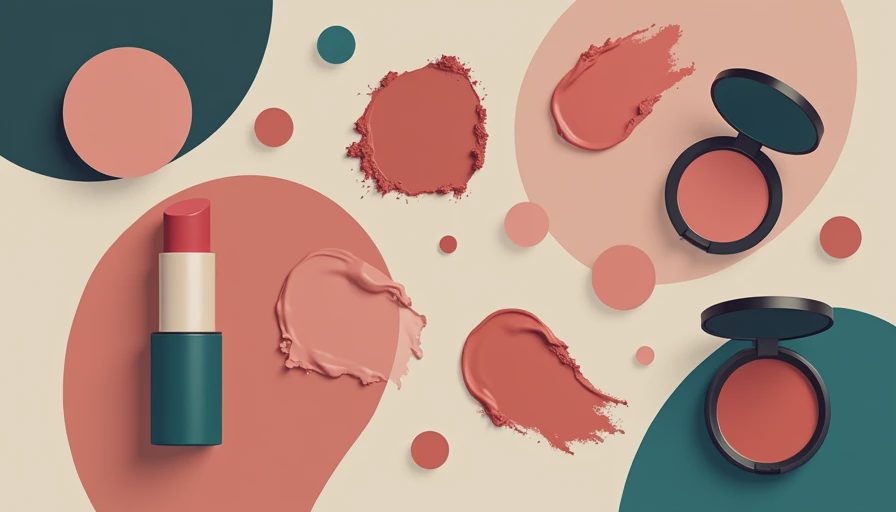
Choosing a cool pink lip
Lip color should balance the intensity of the cheeks and eyes. If the eyes are soft, a stronger cool pink lip can be gorgeous. If the blush is vivid, choose a sheer balm or blurred stain so the face has somewhere to rest.
For a classic satin finish, try Clinique Pink Honey, which reads as a soft rosy tint on many lips, or MAC Craving for a more noticeable everyday rose. Revlon Cherries in the Snow is a brighter, cooler red-pink when you want definition. At the lower price point, Maybelline Color Sensational in Pink For Me gives a comfortable rosy effect without demanding a perfect lip line.
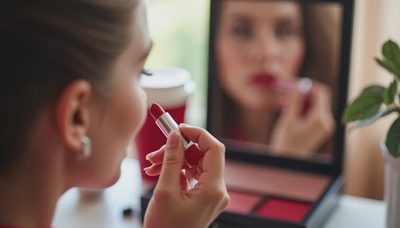
Prep matters more than people admit. Apply a thin layer of balm, wait five minutes, then blot before lipstick. Outline only where the natural lip edge needs correction, using a pencil close to the lipstick rather than a dramatically darker liner. Press the color in with a fingertip for a lived-in finish, or use a small lip brush for wedding-level precision.
A cool pink stain under a matching lipstick can add several hours of wear, but it will not make any formula indestructible. I usually carry the lipstick, a cotton swab, and a tiny concealer for cleanup. Reapplying the center of the mouth after coffee is faster and looks fresher than adding another heavy layer everywhere.
Making the whole face work together
Cool pink looks most expensive when the rest of the face stays quiet. Use bronzer sparingly and choose a neutral brown rather than a strongly orange shade. A soft taupe contour, brushed brows, and a muted highlight give the color room to breathe. I often skip heavy black mascara on very soft looks and use dark brown instead, particularly for daytime or bridal makeup.
Your base should also support the color. Too much foundation can make pink look decorative because it removes the natural variation that makes blush believable. I prefer medium coverage only where needed, with concealer around the nose and under the eyes. Set the T-zone, leave the cheekbones flexible, and mist lightly with setting spray from about 10 inches away.
For oily skin, powder blush layered over a thin cream stain is the most dependable approach. For dry skin, use a cream product and press, rather than rub, powder only onto areas that crease. On textured skin, avoid chunky shimmer and choose satin finishes that reflect light evenly.
A simple five-minute routine
Start with moisturized skin and a small amount of gripping primer on the cheeks. Apply foundation or skin tint, then tap cool pink cream blush high on the cheeks. Add taupe shadow through the crease, press a rosy shade onto the lids, and line the upper lashes with brown pencil.
Finish with mascara, a tinted balm, and a small amount of matching pink lipstick tapped over the center of the mouth. Look at the result in daylight before adding more. If the blush is obvious before you finish the eyes, it is already too strong. A clean brush is your best blending tool; use it around the edges until the color appears to come from the skin.
For extra longevity, take a photo with flash and one without. Flash can reveal a pale cast from overly white blush or highlighter. If the color disappears completely, add pigment rather than powder. If it looks harsh, soften the perimeter with your foundation brush.
I've tested plenty of viral pink products that looked beautiful for 20 minutes and separated by hour four. The products above are the kinds I can use on a real workday, not just under flattering studio lights. If I wouldn't put it on a bride, I won't tell you to put it on your face.
No notes yet — write the first one.