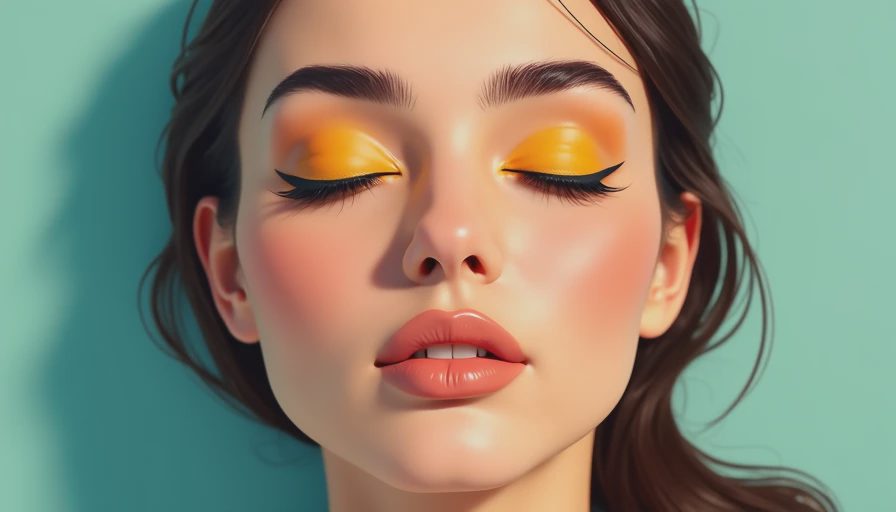
Yellow eyeshadow has a reputation for being difficult, but the problem is usually placement, not the color itself. I have used yellow eyeshadow on editorial shoots, summer wedding guests, and clients who normally wear only taupe. The secret is choosing the right undertone, preparing the lid properly, and keeping the rest of the face intentional. Done well, it looks fresh and modern rather than like face paint.
Choose the Right Yellow for Your Skin and Style
Start by deciding whether you want yellow to look soft, graphic, or smoky. A buttery pastel yellow is pretty for daytime, while marigold and saffron shades create more drama. Lemon yellow has a cool, almost neon quality; golden yellow is warmer and usually easier to blend into bronze, brown, and peach makeup.
For a wearable first attempt, choose a mustard or antique-gold shade with a matte-to-satin finish. These colors have enough brown or orange mixed in to look deliberate without overwhelming the eye. If you prefer a brighter result, use a true yellow on the mobile lid and surround it with warm tan rather than black. Black can make yellow look harsh very quickly.
Your natural lid color also affects the result. On deeper skin tones, highly saturated yellow and metallic gold tend to stay visible without much buildup. On lighter skin, pastel yellow can appear chalky, so a cream base or a warmer transition shade helps it read as color instead of powder. There is no universal best yellow; there is only the yellow that has enough contrast with your complexion.
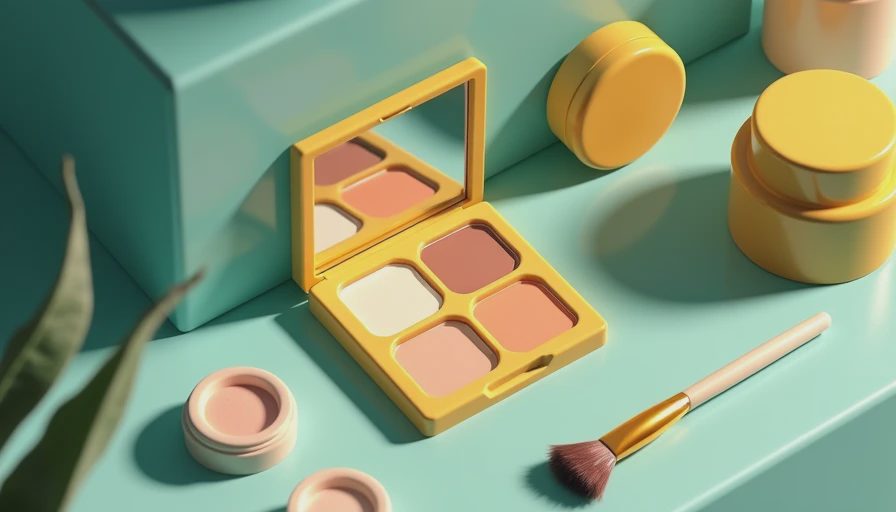
How I Apply Yellow Eyeshadow for Clean Color
I begin with a thin layer of concealer or an actual eye primer, then set only the crease area with a small amount of translucent powder. Leaving the lid slightly tacky gives yellow something to grip. Too much powder creates a faded, patchy finish, especially with pale matte formulas.
Press the shadow onto the lid with a flat synthetic brush instead of sweeping immediately. Packing on pigment first gives you an even base. Then use a clean fluffy brush to soften the upper edge. I keep the color below the crease for a subtle look, or extend it slightly above the crease for a fashion-editorial shape. The difference is intentional structure, not more product.
For yellow eyeshadow that lasts through a long event, layer textures. Tap a yellow cream shadow or pencil onto the lid, blend the edges, and press powder shadow on top. I used this method on a July wedding guest in Los Angeles, and the color still looked clear after roughly 10 hours, with only normal fading at the inner corner. Waterproof eye makeup remover was necessary that night, which is exactly what I want from event makeup.
If the pigment goes too far, do not wipe the whole eye and start over. Use a cotton swab with a little micellar water to sharpen the outer corner, then add concealer beneath the eye. This cleanup step takes less than a minute and gives bright color a professional finish.
Best Color Combinations That Do Not Fight the Yellow
Brown is the easiest partner because it adds definition without competing for attention. Sweep a medium caramel shade through the crease, place yellow on the lid, and deepen only the outer third with chocolate brown. Add black liner only at the lash line if you want more evening impact.
Peach and coral create a warm monochromatic look. Keep peach in the crease, apply yellow to the inner two-thirds of the lid, and finish with a terracotta blush. This combination works particularly well with a simple brown mascara and a sheer peach lip.
Lavender is the more unexpected option. A muted lavender through the crease makes yellow look brighter, while a soft plum liner keeps the contrast sophisticated. I would skip pairing bright yellow with bright blue unless you specifically want a graphic, festival-style result. There is nothing wrong with that look, but it requires cleaner edges and more confidence.
For a quick everyday version, blend tan through the crease, tap yellow just in the center of the lid, curl the lashes, and use brown mascara. That small flash of color is much easier to wear than a full saturated lid and still photographs beautifully in daylight.
Products I Would Actually Put in a Kit
For an affordable powder, e.l.f. No Budge Shadow Sticks in a warm gold or yellow-leaning shade are useful as a base, usually around $5 to $7 depending on the retailer. They set quickly, so I work one eye at a time. NYX Professional Makeup Ultimate Shadow Palette options often include mustard, gold, and orange shades for roughly $18, making them practical if you want several combinations rather than one bright pan.
At the midrange level, MAC single shadows are still dependable because the texture is predictable and replacement shades are easy to find. A satin gold-yellow is more forgiving than an extremely dry matte. Natasha Denona palettes can offer smoother, richer yellow and gold formulas, but you are paying for a larger color story; do not buy a whole palette if you only want one yellow.
For a cream layer, Danessa Myricks Colorfix is highly pigmented and wears impressively, but it demands quick blending. I use a tiny amount, spread it thinly, and set the edges with powder. If I would not put it on a bride, I will not tell you to put it on your face, and formulas that crack before the ceremony stay in my graveyard drawer regardless of price.
Make the Rest of the Face Support the Eyes
Yellow eyeshadow already provides visual energy, so keep the complexion even rather than heavily contoured. Use a satin or natural-finish foundation, spot-conceal redness, and choose blush in apricot, terracotta, or neutral rose. Very cool pink blush can make a warm yellow eye look disconnected.
For lips, brown rose, peach nude, clear gloss, or a warm red all work. A pale beige concealer lip usually drains the face and makes the eyes look more theatrical. I prefer a softly lined lip with balm for daytime and a brick-red stain for evening.
The eyeliner choice changes the mood. Brown pencil looks relaxed, dark plum feels polished, and a thin black wing makes the look graphic. Keep the inner corner light with a tiny touch of champagne rather than more white pigment. Finish by checking both eyes in natural light because yellow can expose uneven blending more clearly than neutral shadows.
Troubleshooting Common Yellow Eyeshadow Problems
If the color looks gray, your base is probably too cool or too sheer. Add a warm cream base and press the powder over it instead of blending harder. If it looks orange, choose a cleaner yellow and use a neutral tan in the crease. If it disappears after an hour, remove excess eye cream before priming and use a thinner layer of product.
Fallout is easiest to handle by doing the eyes before foundation, especially with loose pigments. For pressed powder, tap off the brush and build in two thin layers. Creasing usually comes from too much cream product, oily lids, or applying shadow too far into the crease. Blot the lid, use less base, and set the crease while leaving the main lid slightly flexible.
My favorite first-timer version is simple: tan in the crease, mustard or golden yellow on the lid, brown mascara, apricot blush, and a rose-brown lip. It takes about eight minutes and looks intentional without requiring a perfect cut crease. Once that feels comfortable, add a brighter inner corner or a colored liner. Yellow does not need to be loud to be memorable.
No notes yet — write the first one.