Finding foundation for pale skin is not just about choosing the lightest bottle on the shelf. The real challenge is matching depth, undertone, finish, and formula without ending up pink, orange, gray, or visibly darker around the jaw. I have matched makeup on more than 200 wedding faces, and pale complexions are some of the easiest to get almost right and hardest to get truly seamless. Here is the method I use when a bride needs her makeup to look natural in daylight, flash photography, and a 12-hour reception.
Start with depth, then identify undertone
Most people start by asking whether a foundation is “fair” or “light.” That label is only the first checkpoint. Two foundations can both be marketed as foundation for pale skin while one looks yellow and the other turns rosy within ten minutes. Depth describes how light or dark the shade is. Undertone describes the color underneath: cool pink, warm golden, neutral, or olive.
Wash your face, skip bronzer, and look at your neck and upper chest near a window. If your skin appears rosy or bluish, begin with cool shades. If it looks yellow or peach, test warm options. If neither description feels accurate, neutral is the safest starting point. Very pale skin can also have a muted olive undertone, which often makes traditional pink and yellow formulas look strangely bright.
Never test foundation on your hand. Your hands usually see more sun and are not the same color as your face or neck. Swipe two or three close shades from the side of your cheek down toward your jaw, then wait at least 10 minutes. The best match nearly disappears into the skin instead of looking perfect only under store lighting.
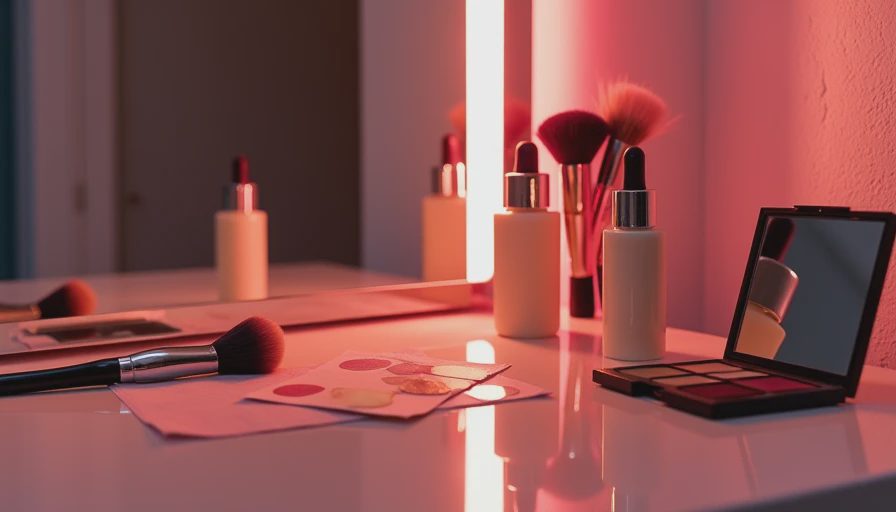
My working recommendations at different price points
For affordable foundation for pale skin, I regularly reach for L’Oréal True Match because its shade range makes undertone comparisons straightforward, and it typically costs about $12 to $16. The formula gives light to medium coverage and wears around seven hours on balanced skin with ordinary setting powder. e.l.f. Soft Glam Satin Foundation, usually about $8, is another useful option when you want a thinner, softer finish rather than a full makeup effect.
In the midrange, NARS Light Reflecting Foundation, around $52, has shades that suit many very fair neutral and cool complexions. On a wedding trial, I get roughly eight hours before the center of the face needs a careful blot. Estée Lauder Double Wear, often around $49, is better for oilier skin and long events, but apply it in a thin layer because too much can emphasize dry patches.
At the luxury end, Dior Backstage Face & Body Foundation, approximately $45, is practical for sheer layering and photographs beautifully when applied sparingly. It is not the most forgiving choice for flaky skin, so moisturizer and a short waiting period matter. These are not automatic winners for every person; they are reliable starting points. Foundation for pale skin still needs to be tested against your own neck in real light.
Prep is half the shade match
A perfect color can look wrong when the surface underneath is dehydrated or overloaded with skincare. In the morning, use a gentle moisturizer and give it five minutes to settle. If your skin is dry, try a pea-sized amount of La Roche-Posay Toleriane Double Repair, roughly $20, or CeraVe Moisturizing Cream, often under $18. For oilier skin, use less moisturizer around the nose and forehead instead of drying out the entire face.
Primer should solve a specific problem. Milk Makeup Pore Eclipse, about $36, can reduce shine through the T-zone, while e.l.f. Power Grip Primer, around $10, helps makeup stay put without a luxury price tag. Do not spread a gripping primer over visibly damp skincare; pilling will make any shade look uneven. Press, do not aggressively rub, and let the layers become tack-free before applying color.
For foundation for pale skin, I also avoid heavy color-correcting primer unless there is a clear reason. A strong lavender or pink base can shift the foundation and make a neutral shade look artificial. If redness is the concern, use a tiny amount of green corrector only on the red areas, not across the whole face.
Apply thin layers and check the jaw
Start with half a pump in the center of the face, where most people need the most coverage. Use a damp sponge for a sheer, flexible finish or a dense synthetic brush for more coverage. I prefer a brush for the first pass, then press over it with a barely damp sponge to remove excess texture. Work outward toward the jaw and hairline so there is no obvious stopping point.
If you need concealer, apply it after foundation rather than choosing a darker foundation to cover every mark. A small amount of concealer under the eyes and around the nose keeps the base lighter and more believable. For redness, tap instead of dragging. Rubbing can lift the layer you just placed and create a patch that looks darker than the surrounding skin.
The best foundation for pale skin should match the neck before powder. If your face looks pink while your neck looks yellow, the undertone is wrong even if the depth is close. If the face looks gray, the formula may be too cool or too muted. If it looks orange, the shade is too warm or has oxidized. These are formula clues, not signs that you need more bronzer.

Test oxidation, flash, and wear before buying
Wear testing is where a promising shade earns its place in my kit. Apply a stripe along the jaw, photograph it immediately, then take another photo after 15 minutes and again after six hours. Some formulas deepen as they dry, especially when they interact with oil or sunscreen. A shade that matches at application but turns noticeably darker should be exchanged, not “fixed” with pale powder.
Check the result outside, in a bathroom mirror, and under indoor lighting. Flash photography can make heavy mineral powder or a very pale base appear brighter than it looks in person. For an event, I test the complete combination of moisturizer, sunscreen, primer, foundation, concealer, and powder. Products can change one another’s finish and wear.
If your skin changes seasonally, keep two close shades instead of forcing one bottle to work all year. A fair neutral shade may suit winter, while a slightly deeper neutral or warm shade works after summer walks. Mixing two foundations is also fine, provided both formulas have similar finishes. I would rather mix thoughtfully than send someone down the aisle with a visible mask.
The quick shopping plan
Before purchasing foundation for pale skin, write down your undertone, preferred coverage, and finish. Then choose three shades: one likely match, one slightly lighter, and one slightly deeper. Test them side by side on the jaw, wait 10 minutes, and inspect them in natural light. Buy from a retailer with a return policy when possible, especially if you are ordering online.
For online shopping, compare the brand’s shade descriptions and look for swatches from multiple reviewers rather than trusting one arm photo. “Porcelain” is not standardized across brands. Search for descriptions such as fair neutral, fair cool, or fair olive, then narrow the choice through testing. A $12 foundation can outperform a $60 formula when the undertone and application are right.
My final rule is simple: if I would not put it on a bride, I will not tell you to put it on your face. Foundation for pale skin should disappear at the jaw, stay comfortable through your actual day, and need only ordinary touch-ups. If you want help comparing two shades or building a long-wear event base, bring both options into daylight and judge the skin, not the label.

No notes yet — write the first one.