If you have a light olive skin tone, foundation shopping can feel strangely difficult. Shades labeled fair, neutral, or golden often look pink, orange, or gray once they meet your face. I have matched more than 200 wedding clients, and this is the first thing I explain: olive is an undertone, not a depth. You can be very fair, light, medium, or deep and still have olive in your skin.
How to tell if your undertone is olive
Look at your bare skin in indirect daylight, preferably near a window rather than under a bathroom bulb. A light olive skin tone usually has a muted green, golden, or slightly gray cast. Silver and gold jewelry can both look good, which is why the usual jewelry test is not especially useful here. Your strongest clue is what foundation does after ten minutes. Pink shades sit on top of the skin, yellow shades turn mustard, and very beige shades can look flat. A true olive match seems to disappear, even if it looks a little unusual in the bottle.
Check your neck, jaw, and chest together. Many people test only the cheek, where redness can make their coloring look pinker than it is. Take three stripes: one neutral, one warm, and one olive. Wait at least five minutes, then inspect them outside or beside a bright window. Oxidation can shift a foundation darker, so do not approve a shade immediately after application. Photographing the test beside a white shirt is also useful because it exposes a foundation that is too orange.
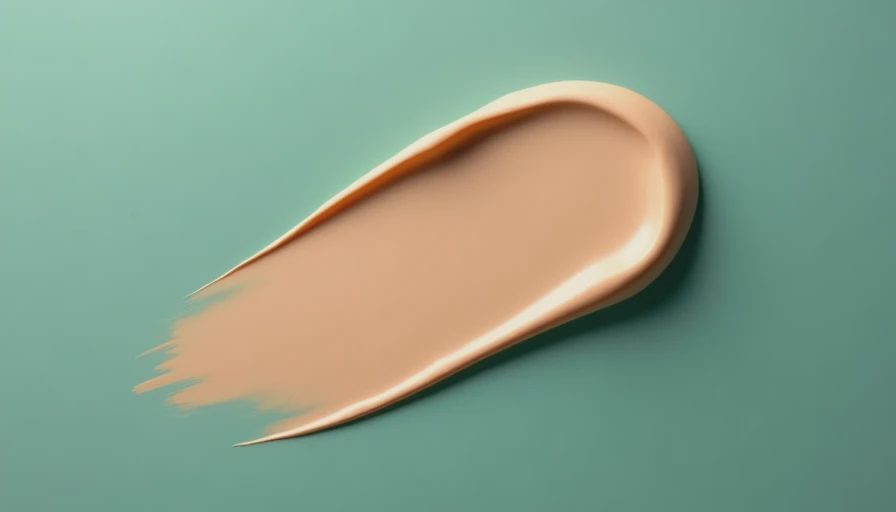
Foundation shades that make sense
For a light olive skin tone, start with formulas that offer neutral-olive or olive descriptions rather than automatically choosing the lightest golden shade. Armani Luminous Silk, NARS Light Reflecting Foundation, and Fenty Beauty Pro Filt'r all have useful shade ranges, but the correct shade depends on the specific color family, not the brand name. At the drugstore, L'Oréal True Match and e.l.f. Camo CC Cream can be practical starting points; test before buying when possible because olive representation changes from line to line.
My professional trick is to buy the best undertone match and adjust depth, not undertone. A tiny drop of a blue mixer can rescue a foundation that is too orange, while a white mixer can lighten a formula without making it pink. LA Girl Pro.color Foundation Mixing Pigment is inexpensive and works well for this purpose. Mix on a metal palette, not directly in the bottle, and begin with half a pump of foundation plus the smallest dot of mixer. Too much blue makes skin look gray-green fast.
Coverage should follow texture and occasion. A sheer tint often looks more natural on a light olive skin tone because it lets the real color show through. For a wedding or long workday, apply a thin layer of medium coverage, press it in with a damp sponge, and add concealer only where needed. On my bridal kits, I would rather see real skin at the cheeks than a thick mask that breaks apart by hour eight.
Blush, bronzer, and contour without orange
The wrong blush can make an olive complexion look sallow, while the wrong bronzer turns it pumpkin-colored. Try muted peach, soft apricot, rose, terracotta, and dusty berry shades. Cream formulas from Rare Beauty, Tower 28, and Milani can all work, but use a light hand. Place blush slightly higher than the center of the cheek and blend toward the temples; this keeps color lifted instead of emphasizing redness around the nose.
For bronzer, choose a neutral tan or softly olive brown rather than a bright orange powder. Makeup by Mario SoftSculpt Bronzer has several balanced tones, and Physicians Formula Butter Bronzer includes options that blend easily, though you still need to choose by depth. Sweep bronzer across the forehead, tops of the cheeks, and lightly over the bridge of the nose. Contour should be cooler and more restrained. A taupe cream under the cheekbone creates believable shadow; a warm brown stripe creates makeup you can see from across the room.
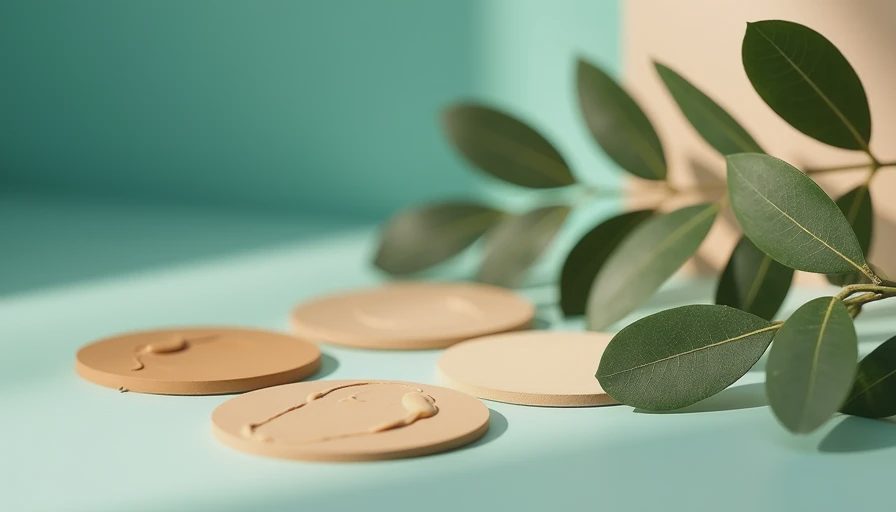
Eye makeup colors that bring out the skin
A light olive skin tone looks particularly polished with bronze, antique gold, khaki, chocolate, copper, and muted plum. These shades echo the skin without competing with it. For everyday makeup, press a satin bronze shadow onto the lid, add matte brown through the crease, and soften the edges with a clean brush. Natasha Denona Mini Bronze is a convenient splurge, while ColourPop’s single shadows offer similar color flexibility for less money.
Be careful with pale yellow-beige shadows. They can make olive skin look dull unless paired with definition. Bright orange can also emphasize green undertones instead of warming the face. If you love a colorful look, try forest green, navy, or burgundy liner close to the lashes. A dark brown pencil is often more flattering than black during the day because it defines without creating a hard contrast.
Lip colors and the finishing details
The most reliable lip families for a light olive skin tone are neutral rose, cinnamon nude, brick, warm berry, and red with a blue or balanced base. A nude should be close to your natural lip depth; an overly pale beige can erase the mouth and make the complexion appear gray. MAC Velvet Teddy, Maybelline Color Sensational liners, and Merit Signature Lip offer different finishes and price points, but always judge the color on your lips, where natural pigment changes the result.
Use lip liner slightly inside the natural border first, then fill in the whole lip so the color fades evenly. For a red lip, choose a thin formula and blot once before adding the second layer. I have done this on wedding mornings when breakfast, champagne, and photographs all need to coexist. If I would not put it on a bride, I will not tell you to put it on your face.
A simple routine that survives a long day
Start with moisturizer, then give it five minutes to settle. Apply sunscreen in the morning and allow that layer to dry before foundation. Correct only visible discoloration: a pinpoint of peach concealer can soften blue under-eyes, while excess corrector creates more work. Match your base at the jaw, set the center of the face with a small brush, and leave the outer cheeks more flexible so they retain dimension.
For a light olive skin tone, the finished look should read even, not heavily covered. Take a photo in window light and another with flash before leaving the house. If the face looks pink, the foundation undertone is wrong; if it looks orange, the shade is too warm; if it looks gray, the formula is too pale or too cool. Make one adjustment at a time. That method is less exciting than buying another viral product, but it produces a face that still looks like you after twelve hours.

No notes yet — write the first one.