When clients ask me what color eyeshadow for blue eyes will make them look brighter, they usually expect one magic shade. After 12 years and more than 200 wedding faces, I can tell you the better answer is a small family of colors: copper, bronze, warm brown, peach, terracotta, and certain plums. These shades create contrast against blue irises, which makes the eye color look clearer without requiring a complicated cut crease or a drawer full of products.
The best eyeshadow colors for blue eyes
Warm shades are the most reliable starting point because orange sits opposite blue on the color wheel. You do not need bright orange pigment across your entire lid. A softly blended copper shimmer, cinnamon crease shade, or peachy bronze liner gives enough contrast to wake up the eyes.
For everyday makeup, I reach for matte caramel, tan, warm taupe, and toasted brown. These colors define the eye without overpowering pale blue or gray-blue irises. Bronze is especially useful for evening because its metallic finish catches light while its brown base keeps the look wearable. Terracotta and burnt sienna are excellent when you want a richer result that still looks polished in photographs.
Plum, aubergine, and muted cranberry also deserve a place in your kit. Purple contains red and blue, so a warmer plum can emphasize the blue without looking as stark as black. The key is choosing a shade with warmth rather than a very cool violet, which can make the whole eye look bruised or flat.
Match the shade to your eye color and skin tone
Knowing what color eyeshadow for blue eyes works best also means looking at the specific blue. Very light blue eyes often benefit from medium-depth shades such as bronze, caramel, rose brown, and copper. If the shadow is too pale, it disappears; if it is too dark, the contrast can look harsh in daylight.
Gray-blue eyes are particularly versatile. Try taupe with a copper accent, dusty rose with brown liner, or a soft plum blended through the outer corner. These combinations bring out either the blue or the gray, depending on the balance of warm and cool pigment. Green-blue eyes can handle peach, rust, and bronze beautifully, while a muted burgundy at the lash line adds definition without turning theatrical.
Skin tone matters, but undertone matters more than a shade label. On fair skin, champagne peach and light bronze can add brightness without looking orange. Medium skin often carries copper, terracotta, and caramel especially well. Deep skin can make a statement with burnished bronze, red-brown, copper, and vivid rust. Test the shadow on your wrist only for color direction; your eyelid's texture and natural tone are the real test.
Three easy eyeshadow combinations I use on clients
For a five-minute daytime look, sweep a matte warm tan through the crease, press a satin champagne or soft peach on the lid, and use brown pencil between the upper lashes. Keep the inner corner light, but avoid a stark white dot. This combination defines blue eyes while still looking like you made an effort rather than attended a costume party.
For dinner or photographs, use matte caramel in the crease, bronze shimmer across the mobile lid, and deep chocolate brown on the outer third. Blend the edges with a clean fluffy brush before adding mascara. My dependable drugstore option is the e.l.f. Bite-Size Eyeshadow palette in Pumpkin Pie, which is usually around $4 and has enough warmth for this look. I have worn its shimmers through a full eight-hour workday over primer with only mild fading.
For a smoky look, skip solid black and build with warm taupe, plum, and espresso. Place plum close to the lashes, soften it upward with taupe, then tap a small amount of copper at the center of the lid. This gives dimension without making the eye look smaller. The Natasha Denona Bronze palette performs beautifully, but the $69 price is not required. The ColourPop Nude Mood or Milani Gilded Nude palettes can create a similar structure for roughly $15 to $25.
Application technique matters more than the palette
A great answer to what color eyeshadow for blue eyes still fails if the shadow is placed poorly. Start with a thin layer of eye primer or a small amount of concealer set with translucent powder. Too much creamy product causes shimmer to crease and makes matte shades patchy. I press primer onto the lid with a fingertip, wait about 30 seconds, and then apply shadow.
Place your transition shade slightly above the natural crease, especially if the lid folds over when your eyes are open. Use a medium fluffy brush and small windshield-wiper motions, but finish with tiny circles at the outer edge. Press metallic shadow onto the lid with a flat brush or fingertip instead of sweeping it around. Pressing gives stronger color and limits fallout.
For a lifted shape, keep the deepest pigment on the outer third and angle the blend toward the end of the eyebrow. Do not drag dark shadow in a straight line downward; that can pull the face visually lower. Clean the outer edge with a little foundation on a small brush after the eye makeup is finished. On wedding clients, I prefer this controlled placement because it survives flash photography and a long reception better than an oversized smoky wing.
Products worth buying at different price points
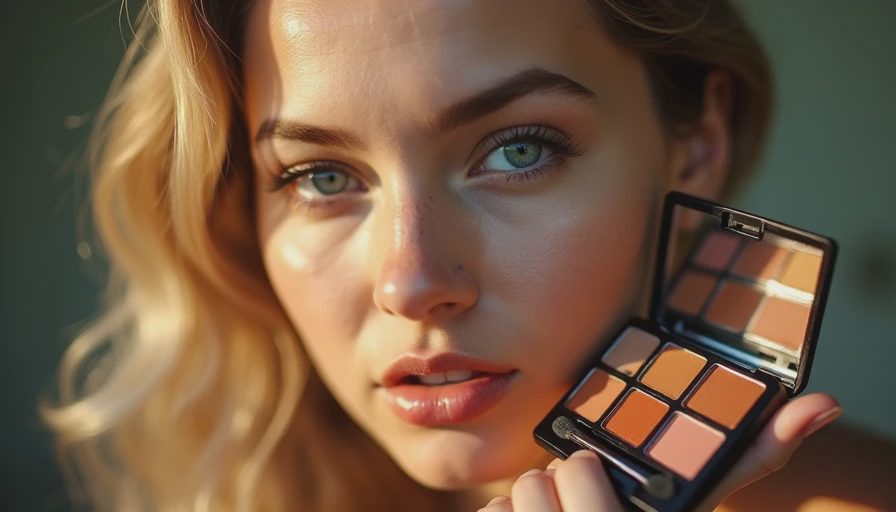
At the drugstore, Maybelline The Nudes of New York palette, Milani Gilded Mini in Whiskey Business, and ColourPop Super Shock Shadows offer useful bronze, brown, and copper options. Prices commonly fall between $6 and $25. For a single shadow, L'Oreal Infallible 24HR Shadow in Amber Rush is a strong copper choice; apply it with a fingertip over primer and it can hold up for roughly eight hours on a typical workday.
In the midrange category, MAC Bronze and Makeup by Mario Master Mattes provide dependable blending and shades that photograph cleanly. A single MAC shadow costs more than a drugstore pan, but it is useful when you want to build a customized palette one color at a time. For luxury, I like the textures in Natasha Denona's Bronze and Glam palettes, although the value depends on whether you will use most of the shades rather than admire them in the drawer.
Use waterproof brown or espresso pencil along the upper lash line if your eyes water. Black liner is not forbidden, but brown keeps the warm eyeshadow doing the flattering work. Set pencil with a matching matte shadow for longer wear, and use tubing mascara if smudging under the eyes is your recurring problem.
Common mistakes to avoid
The biggest mistake is choosing a cool blue shadow because it matches the iris. Matching can look pretty, but it often reduces contrast and makes the eyes appear less vivid. If you love blue, use navy or slate as a narrow lower-lash accent and pair it with bronze on top.
Another mistake is applying shimmer from the brow bone to the lash line. Reflective pigment emphasizes texture and can make the eye look swollen. Keep shimmer on the mobile lid or center, then use matte color through the crease. Finally, do not judge the look under a bathroom's yellow light. Check it beside a window and take one phone photo from arm's length.
So, what color eyeshadow for blue eyes should you try first? Start with warm bronze, a matte caramel crease, and brown liner. That trio works for brunch, date night, and the kind of 12-hour wedding day where makeup has to remain attractive rather than merely fresh for the first selfie. If I wouldn't put it on a bride, I won't tell you to put it on your face.
No notes yet — write the first one.