Finding an olive skin tone foundation is less about chasing the darkest or lightest label and more about recognizing the green, muted quality in your complexion. I have matched more than 200 faces for weddings, campaigns, and long production days, and I see the same mistake constantly: someone buys a warm foundation because her skin looks golden, then wonders why her face turns orange by lunchtime. Olive skin can be light, medium, tan, or deep. The clue is a subtle green or gray cast rather than obvious pink, peach, or yellow.
My rule is simple: if I would not put it on a bride, I will not tell you to put it on your face. A good olive skin tone foundation should disappear along the jaw, stay believable in daylight, and work with your neck and chest instead of creating a separate floating mask.
How to identify an olive undertone
Start with a clean face in indirect daylight. Hold white paper beside your cheek, then compare the skin on your neck. If pink foundations look rosy, yellow foundations look too bright, and standard neutral shades look slightly orange, olive is a strong possibility. Many olive complexions also look gray-green next to a traditional beige shade, especially after applying full coverage.
Do not use wrist veins as your only test. Veins can appear blue, green, or both depending on lighting and skin depth. A better test is to place three small stripes from your cheek to your jaw: one neutral shade, one warm shade, and one olive or muted shade. Wait five to ten minutes. The right formula will blend into the skin instead of looking like a stripe sitting on top.
A light olive complexion often needs a muted beige with a soft green undertone. Medium olive skin may suit shades described as golden olive, neutral olive, or muted tan. Deeper olive skin often needs a rich brown base that is not excessively red. “Olive” on a shade chart is useful, but the actual color matters more than the marketing label.
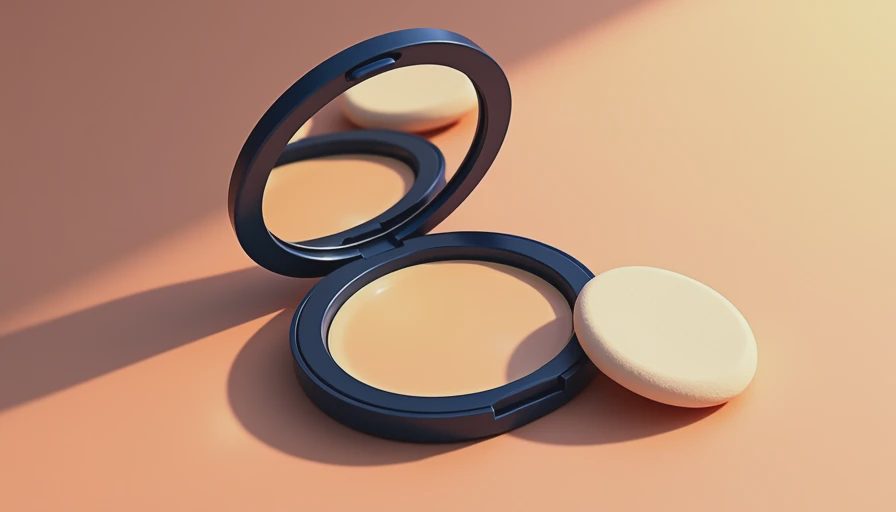
Best olive skin tone foundation picks by budget
For an affordable option, L’Oréal True Match is worth investigating because its broad shade system includes neutral and warm choices that can be mixed for olive skin. The finish is practical for everyday wear, and a bottle usually costs around $12 to $15. NYX Can’t Stop Won’t Stop Foundation, generally around $15, gives more coverage and a firmer set, making it useful for combination skin and evening makeup.
In the midrange category, NARS Light Reflecting Foundation, usually about $52, is one of my reliable choices for normal to dry skin. It gives medium coverage without looking heavy over fine texture, and several shades can be adjusted with a muted mixer. Estée Lauder Double Wear, often around $52, is the more durable choice for a hot outdoor ceremony or a twelve-hour event. Apply it in thin layers; a thick coat can make olive skin look flat.
For a higher-end finish, Armani Luminous Silk, commonly around $69, is beautiful when you want skin to remain visible. It is not my first pick for very oily skin without setting powder, but it photographs elegantly and can be built around the nose and chin. If your complexion is especially hard to match, a professional complexion palette or two compatible shades can be more useful than one expensive bottle.
How to test an olive skin tone foundation correctly
Never test foundation only on your hand. Hands see more sun and often have a different undertone from the face. Swipe two or three candidates along the lower cheek and jaw, then step outside or stand near a window. Store lighting is designed to sell products, not reveal mismatched pigment.
Give the test at least fifteen minutes. Some formulas oxidize as they dry, becoming deeper or warmer. Look at the shade from several angles and check whether it emphasizes redness, dullness, or a gray cast. A correct olive skin tone foundation should look slightly boring on the skin. That is a compliment. It should not announce itself before your blush or lipstick does.
Also test the formula over your actual skincare. A hydrating primer can make a foundation sheer and luminous, while sunscreen can change how pigment sits. For bridal clients, I test the base over moisturizer, sunscreen, and a small amount of primer because that is how it will be worn on the day.
Application technique for natural, even coverage
Prep is where olive skin often looks its best. Use a lightweight moisturizer, allow it to settle for five minutes, then apply a thin layer of primer only where you need it. Redness around the nose can be neutralized with a tiny amount of concealer, but do not cover the entire face before foundation.
Place one pump at the center of the face and spread outward with a damp sponge or a dense synthetic brush. Keep the outer cheek and jaw sheer. Add a second, very thin layer only to blemishes or areas that need more coverage. This prevents the common dark ring around the perimeter that appears when a shade is slightly too deep.
If your foundation is close but not quite right, use a color mixer rather than adding random concealer. A small amount of green or olive mixer can mute an overly orange base; a yellow mixer can warm a foundation that is too gray. Start with a pin-sized amount, mix it on a palette, and record the ratio. Adding too much pigment can change both the undertone and the coverage.

Fixing common shade-matching problems
If your base turns orange, the shade is usually too warm, too deep, or oxidizing. Try a neutral shade one level lighter, or add a muted olive mixer. If it looks pink, move away from cool undertones rather than piling on bronzer. Bronzer adds warmth on top; it does not correct a pink foundation underneath.
If your face looks gray, the formula may be too muted or too light, or your skincare may be creating a pale film. Add a little warmth with a compatible foundation shade, not a full layer of orange concealer. If the foundation looks yellow, compare it with your neck in daylight. Olive skin can be yellow-leaning, but bright lemon yellow usually signals a poor match.
Texture is another issue. Matte formulas can make olive skin look dull when applied heavily, while very dewy bases can separate around the nose. Blot first, then press a small amount of powder into the T-zone. Do not sweep powder across the cheeks unless you need extra wear time.
Building a reliable everyday routine
For everyday makeup, choose a light to medium olive skin tone foundation and apply less than you think you need. Use a brush for quick coverage, then press a damp sponge over the face to remove excess. Conceal only the center of blemishes, under-eye darkness, and any visible redness. This approach keeps the complexion dimensional instead of uniformly covered.
For an event, prioritize compatibility. Test your olive skin tone foundation with your sunscreen, concealer, blush, and setting spray at least one week before the occasion. Wear it for eight to twelve hours if possible. Check your face after commuting, eating, and standing outdoors; those moments reveal more than a mirror immediately after application.
I also photograph the test in window light and with flash. A foundation that looks perfect in a bathroom can appear too pale or too red in pictures. The best result is not necessarily the most expensive one. It is the shade that disappears, wears evenly, and lets your real skin look like skin. That is the standard I use on every client, and it is the standard I recommend for your next foundation purchase.
No notes yet — write the first one.